Claiming Tools & Gear on your Tax for Employed Tradies
If you’re an employed tradie, chances are you’re spending a solid chunk of your own money on tools, boots and work gear every year. The good news? A lot of those costs can be claimed back at tax time — if you know the rules and keep your paperwork tight.
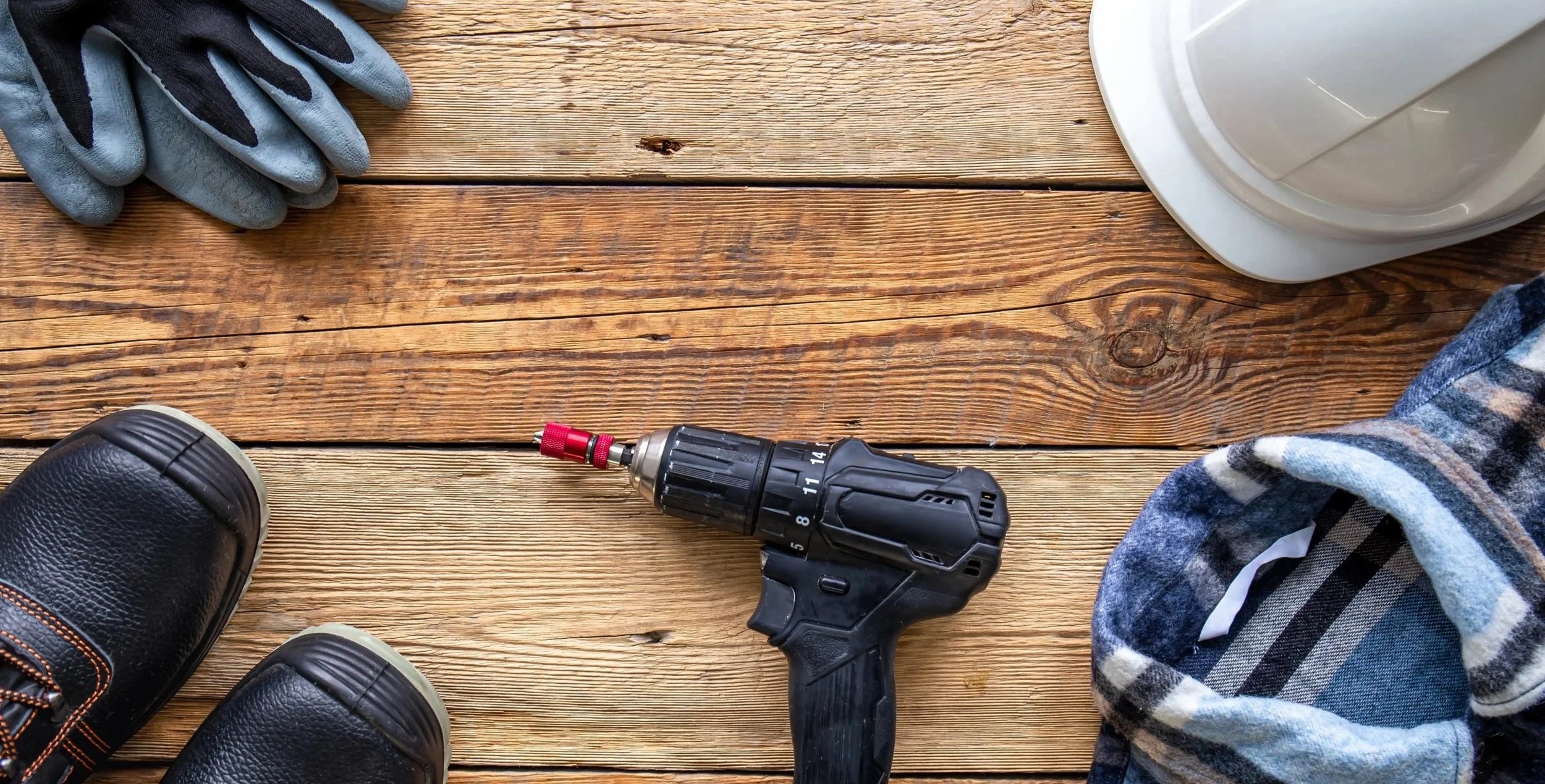
If you paid for it yourself, it’s worth knowing if you can claim it.
Being employed doesn’t mean you miss out on deductions. If you’re paying out of pocket for work-related expenses, many of them are claimable. This includes tools and equipment you use on the job, protective gear like steel-capped boots and hi-vis, union or trade association fees, and even part of your phone bill if you use it for work calls or site coordination.
In some cases, work-related travel between job sites can also be claimed, as long as it’s not your normal commute to and from work.
The key rule is simple: the expense must be directly related to earning your income, and it must not have been reimbursed by your employer.
The $300 Rule (And Where Tradies Get It Wrong)
This is where a lot of tradies either win big or get caught out. If a tool or item costs $300 or less and is used for work, you can usually claim the full amount as an immediate deduction in the year you bought it. That could be a hand tool, a drill, or safety gear bought specifically for the job.
Once an item costs more than $300, it generally needs to be depreciated over its effective lifespan. Instead of claiming it all at once, you claim a portion each year until the value runs out. Bigger tool kits and more expensive equipment usually fall into this category.
Either way, if it’s for work and you paid for it yourself, it’s worth checking whether it can be claimed.
“Most tax mistakes happen because tradies guess instead of checking.”
Boots, Hi-Vis, Laundry and Other Work Gear
Protective clothing and safety gear required on site are claimable. This includes steel-capped boots, hi-vis clothing, hard hats, gloves, safety glasses and hearing protection. Regular everyday clothing doesn’t count — even if you only wear it at work.
If you wash your work clothes at home, you may also be able to claim laundry costs using an ATO-approved estimate or your actual expenses. Dry cleaning for work gear can also be claimed where it applies.
No Receipts, No Claim
This is the part that trips most people up. No receipt, no claim. Keeping digital or paper copies of your receipts makes tax time smoother and helps your accountant maximise your return without stress.
The same goes for car use and phone expenses. Keeping basic records or reasonable estimates makes those claims far easier to back up if you’re ever asked.
Final Take
Tax time doesn’t have to be a headache, and you shouldn’t be leaving money on the table just because you didn’t know what you could claim. Learn the basics, keep your records tidy, and work with an accountant who understands tradies.