Your pay, your rights — and how not to get stitched up on site
Being an employed tradie isn’t easy. The work is hard, the days are long, and the pressure to deliver never really drops. But grinding on site every day doesn’t mean you should be underpaid or treated rough. Plenty of blokes only find out they’ve been shorted after months (sometimes years) of work. Knowing your pay and your rights matters, not just for your wallet, but so you don’t get stitched up while you’re busy breaking your back.
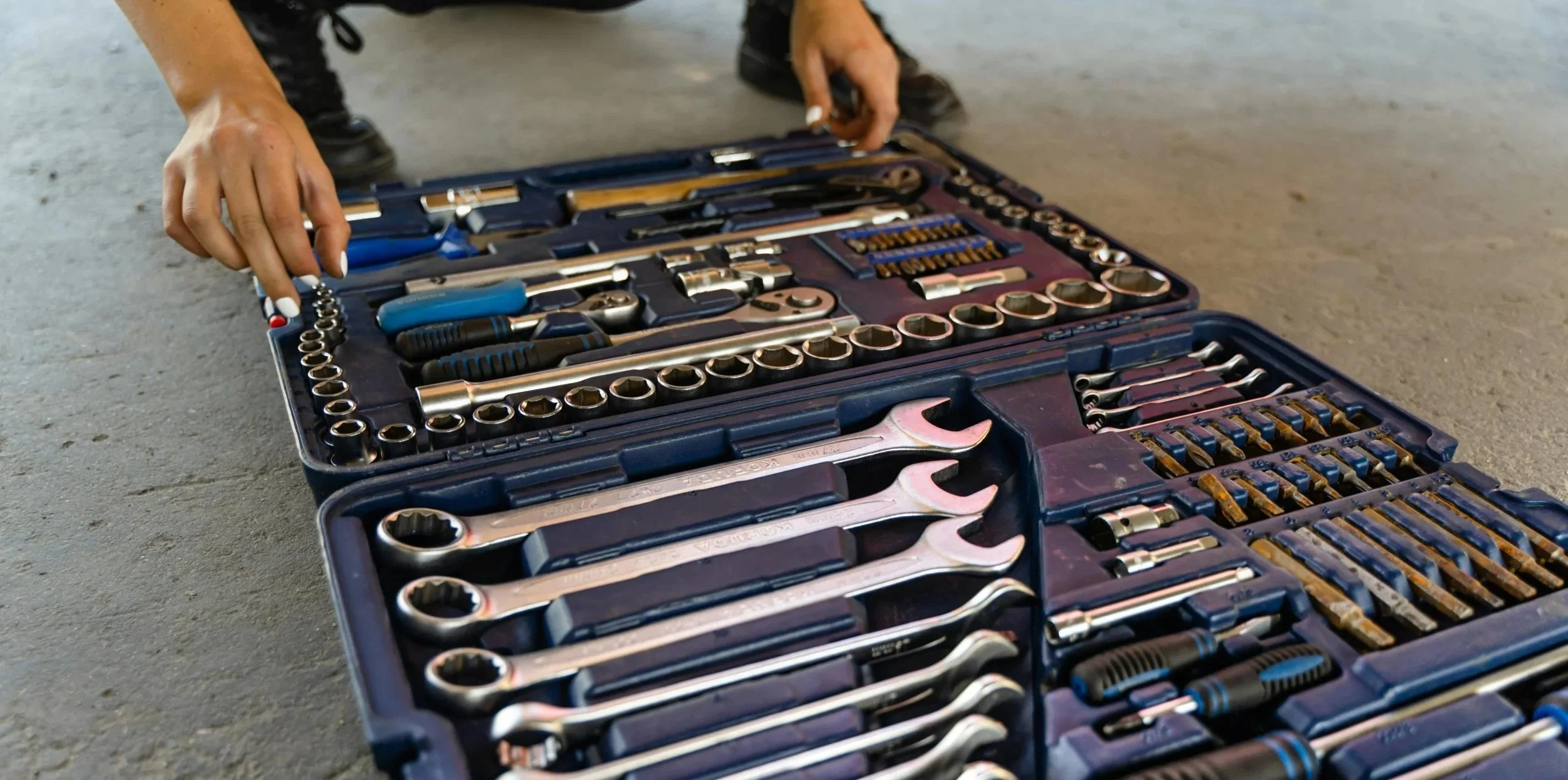
Work hard. Get paid right.
Most employed tradies in Australia are paid hourly under an award system. That system sets the legal minimum for wages and conditions. Some tradies are on a salary instead, but even then, that salary should cover things like overtime, allowances, weekends and penalties. Your pay depends on what trade you’re in, your experience and qualifications, whether you fall under a national or state agreement, and whether you’re paid hourly or on salary. At the very least, you should always be getting the minimum award rate for your role.
The award wage is the legal floor, set by the Fair Work Commission so workers don’t get ripped off. For most construction tradies, the main one is the Building and Construction General On-site Award. That’s where you check your base rate, overtime, penalties and things like travel or meal allowances. If your trade isn’t covered there, another award may apply, or you’ll need to check directly with Fair Work or your employer.
“Knowing your rate isn’t being difficult, it’s how you stop getting played.”
Overtime, age and knowing your rate
If you’re paid hourly and you work over 38 hours, weekends, public holidays or late shifts, you may be owed extra through overtime or penalty rates. A lot of tradies miss out simply because they don’t check or don’t want to ask. Don’t be that bloke. Ask what your rates are and how they’re worked out. If you’re on a salary, ask clearly whether that includes overtime, weekends and allowances. If the answer is vague or doesn’t line up with Fair Work, it’s worth pushing for clarity.
If you’re 21 or over, you’re classed as an adult worker. That usually means a higher base rate, and your experience should count too. Don’t let anyone tell you adult tradies should just accept less. The rates exist for a reason.
Checking your pay and backing yourself
If you’re not sure you’re being paid right, use the Fair Work tools to check your trade, your level, your age and your hours. If something looks off, talk to your boss calmly. Most decent employers will fix a mistake once it’s pointed out. If it doesn’t get sorted, Fair Work is there to help, not to cause trouble.
Remember, the award rate is the minimum, not the ceiling. Your real pay can go higher depending on your skill, your attitude, how reliable you are and whether your boss values what you bring. Know your rights, but also know your worth. Show up, work hard, keep learning, and more often than not, the money follows.