What Tools You Actually Need as an Apprentice
The best tool you can bring to your first day on site isn’t a drill or a fancy kit — it’s your attitude. As an apprentice, how you show up, listen, and handle yourself matters just as much as what’s in your toolbox. The gear will come. The mindset comes first.
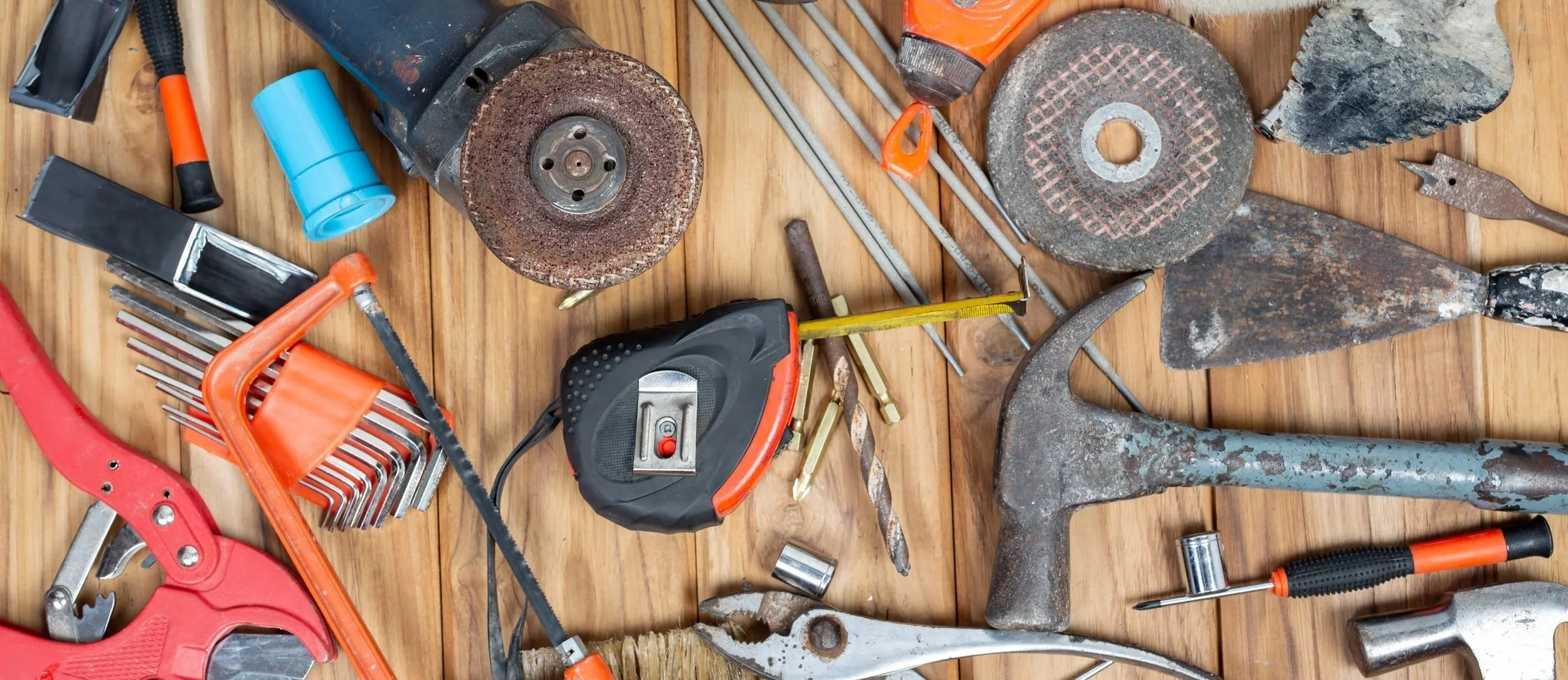
Start with the basics. Build from there.
You’re the new kid on site, and that comes with a learning curve. In some corners of the industry, apprentices still get “tested”. Thick skin helps, and most of the time it’s not personal, it’s just part of site culture.
That said, there’s a clear line. If the behaviour is constant, targeted, or crosses into abuse, that’s not “toughening you up” — that’s workplace bullying. Don’t sit on it. A good boss or supervisor will step in if you speak up. Respect on site goes both ways.
The Tools You Actually Need on Day One
What you need on your first day depends on your trade and your employer, but one rule holds across the board: don’t rock up empty-handed. Even if you’re not expected to have power tools yet, basic hand tools show you’re switched on and taking the job seriously.
Money can be tight early on, so don’t feel pressure to buy everything at once. Focus on quality over quantity. Tools cop a beating on site, and cheap gear usually costs more in the long run. Brands like Makita, DeWalt, Milwaukee, Stanley, Snap-on, and other trade-specific names are worth the spend when you can afford them.
Start with the basics for your trade and build from there. No one expects a full kit on day one.
“Show up switched on. The rest gets built over time.”
Buying Tools the Smart Way
There are a few ways to take the sting out of setting up your kit. First, be tax-smart. Any tool under $300 (including GST) is fully tax-deductible in the year you buy it. You can claim as many under that threshold as you like — just keep your receipts and talk to an accountant who understands tradies.
If you’re in a priority trade, there’s also a $1,000 government payment to help cover tools. This usually lands within your first 6–12 months. Your employer or training provider can help you apply through your Apprenticeship Network Provider, like MEGT or BUSY At Work.
On top of that, timing matters. Big sales like EOFY, Black Friday, Boxing Day, and Cyber Monday are prime time for buying gear. Loyalty programs at places like Total Tools, Sydney Tools, and TradeTools can also add up over time.
Build Your Kit as You Build Your Career
Some trade kits end up worth anywhere from a few grand to well into five figures. That doesn’t happen overnight, and it shouldn’t. The best apprentices start small, buy smart, and upgrade as their skills and responsibilities grow.
Your toolbox will fill up over time, but your reputation starts from day one. Showing up switched on, investing in gear that lasts, and spending with intent all add up. The habits you build early shape the tradie you become later. This isn’t just about tools: it’s about setting the foundation for a career that lasts.