
Is Civil Construction where the Big Coin is?
Wondering if civil construction is where tradies stack serious coin? We break down real salaries, top jobs, and what to expect if you jump into civil in Australia.
Every tradie who wants a bigger pay packet has asked it at some point. “What if I jump into civil?” Roads, bridges, tunnels, massive machines and wages that sound better than most small site jobs. Some say that’s where the serious money lives. Others say it wrecks your body and your head. So let’s keep it simple. What is civil construction really, how much do you earn in the real world, and is it worth changing your life for that kind of work?
Inside the Intrade crew, the same chat keeps coming up. On smoko, in messages, in group chats. “Is civil where the money is?” The question doesn’t come from nowhere. Every year there are more big projects, more government contracts and more stories about blokes who left small jobs to go move dirt with machines the size of houses.
But civil isn’t just more money and bigger gear. It’s a different pace, different pressure and a different way of living your work.
What civil construction really is…
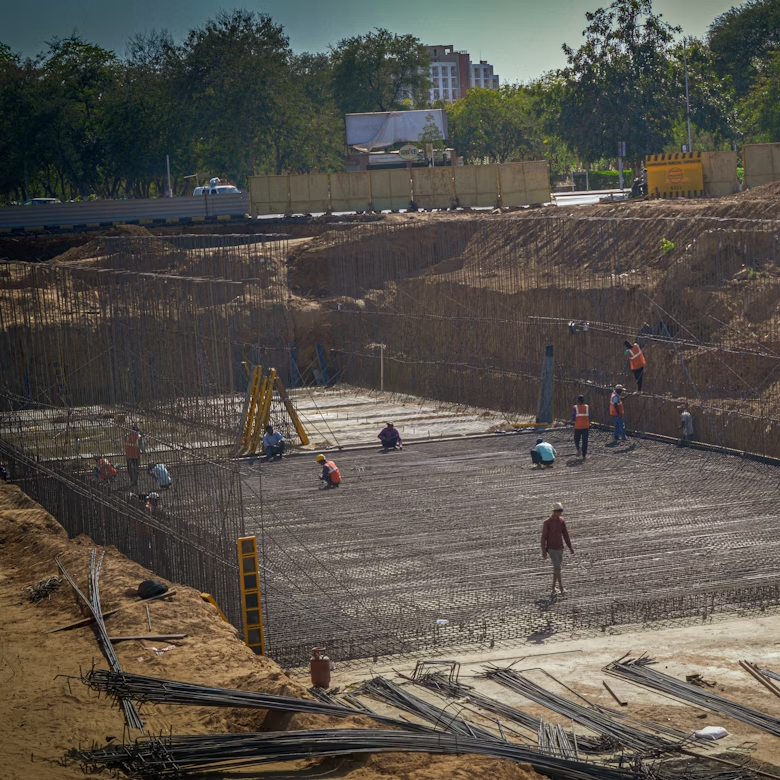
Civil is everything that doesn’t look like a house. Roads, bridges, tunnels, rail, airports, dams and huge earthworks. Heavy infrastructure. Projects that run for years, with hundreds of people, strict rules and deadlines that don’t move because someone slept in.
It’s not “do this today, something else tomorrow.” It’s signing into a massive job and living there for months or years, with long shifts, tight safety rules and constant coordination.
When it’s done right, no one notices. When it fails, it’s on the news.
The money that makes people look twice
Civil usually pays more than a lot of domestic or light commercial work, especially once you add overtime, night shifts and weekends. A general labourer can already out earn plenty of smaller trades. Machine operators step up again. Supervisors and foremen move into money that plays in a different league.
That doesn’t happen by accident. Not everyone can run big gear. Not everyone lasts long shifts. Not everyone handles the pressure of jobs where every late day costs serious money. The money is real. But it comes tied to long hours, tired bodies and hot heads.
Why civil feels different
The difference isn’t just the pay. It’s the life. Civil jobs are usually backed by government or massive companies. That brings stability, but it also brings strict safety, paperwork, hard rules and zero room to wing it.
There is room to climb. A labourer can become an operator. An operator can become a supervisor. A supervisor can end up running projects. But every step up brings more weight on your shoulders.
And then there’s the hard side. Heat. Dust. Long days. Nights. Sometimes FIFO. Plenty of people earn good money and still walk away because the lifestyle just doesn’t fit.
So is it worth jumping into civil?
Depends what you want. If you want big projects, steady work and a real chance to earn more over time, civil is a serious option. It’s not easy money, but it is possible money if you can handle the grind.
If you care more about small crews, flexible hours or one day working for yourself, civil might not be your road.
Civil isn’t a shortcut. It’s a long, heavy road that pays well for the ones who last. The real question isn’t whether the money is there. It’s whether that kind of life is the one you actually want.