
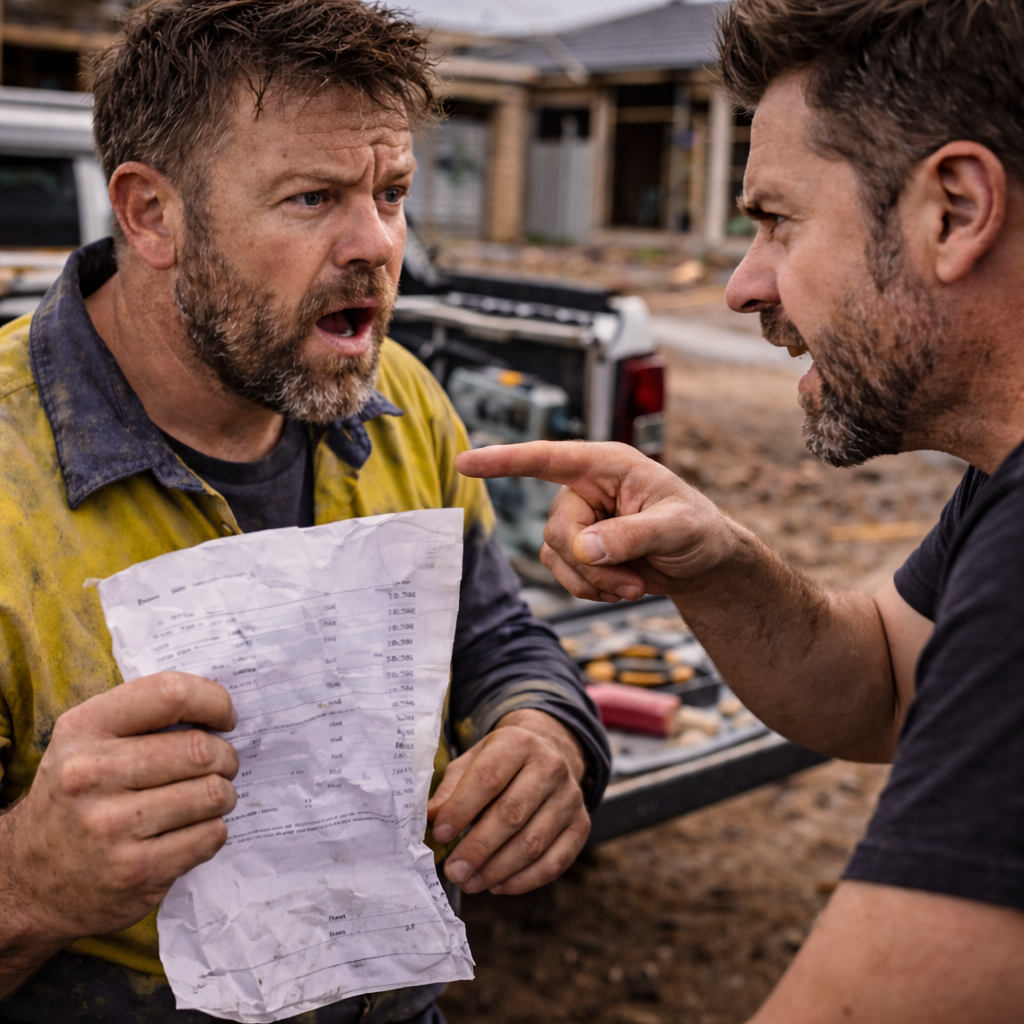
Getting Paid on Time Starts Before the Job Even Begins
Late payments almost always come back to unclear scope, weak contracts, or assumptions that were never written down. The first question I ask any tradie who’s struggling with cash flow is simple. “How’s your communication with your clients?”
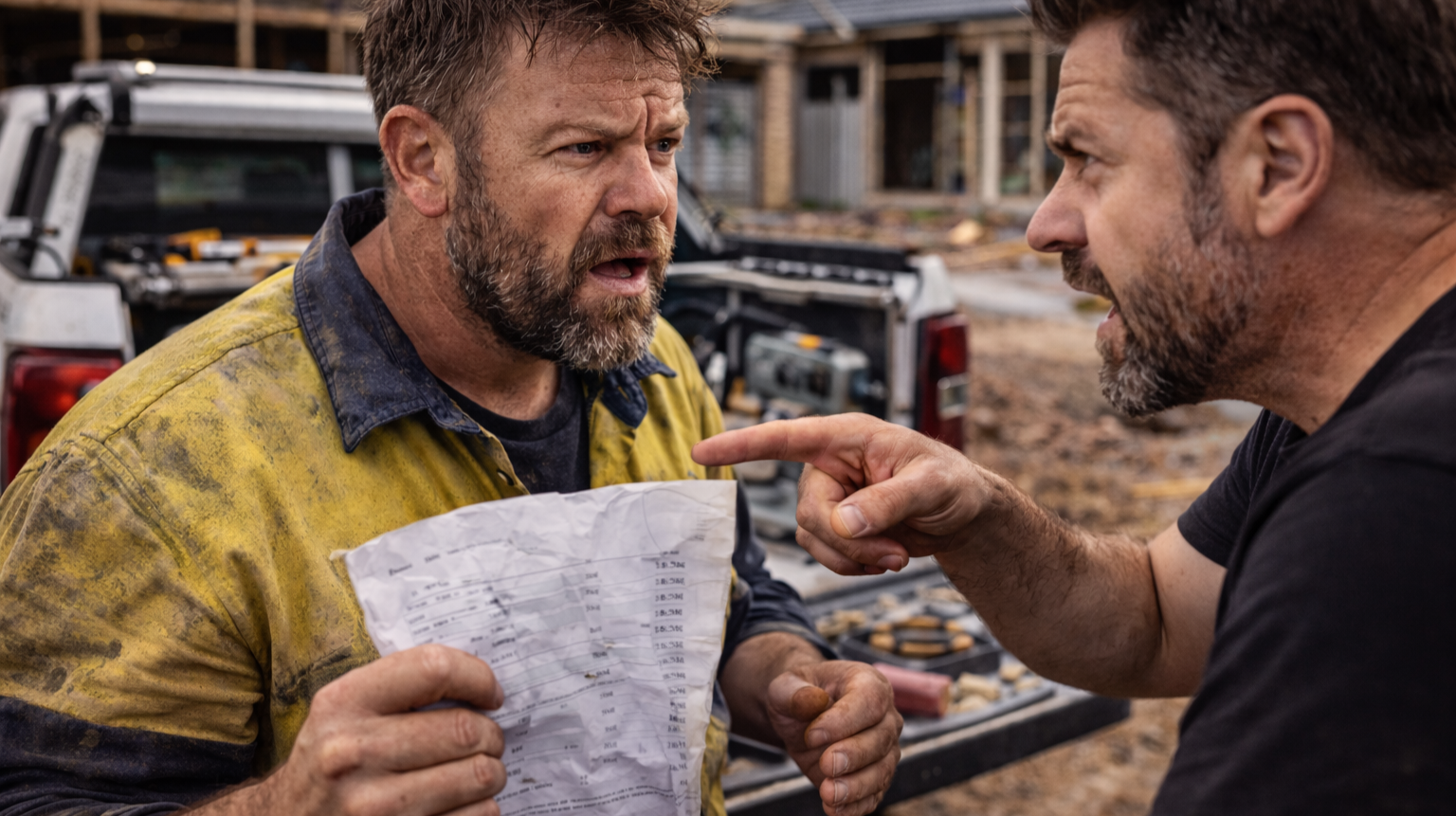
If you’re constantly chasing payments, the problem usually isn’t the client. It’s your communication. This is not something a tradie wants to hear, but after more than two decades on the tools and running trade businesses, I can tell you this with confidence.
Late payments almost always come back to unclear scope, weak contracts, or assumptions that were never written down. The first question I ask any tradie who’s struggling with cash flow is simple. “How’s your communication with your clients?”.
Most payment issues don’t happen because clients don’t want to pay. They happen because the client thought something was included, the tradie thought it wasn’t, and no one clarified it upfront.
The Biggest Mistake I See in Quotes
Nearly every tradie does the same thing. They focus on what is included in the quote. Materials, labour, timeframes and deposit structure. That’s all important. But what gets missed is the most critical section of any quote. What’s NOT included. When you don’t spell this out, you leave room for assumptions. And assumptions are where disputes and delayed payments are born.
“Never assume the client knows how a job works. Assume they know nothing.”
Real World Examples That Cause Payment Delays
Here are some of the most common grey areas that cause problems on site:
Waste removal
Clients often assume all rubbish magically disappears. You might be pricing removal of waste directly created by your trade, but not demolition debris, excess soil or waste created by other trades. If it’s not written down, the client won’t see the difference.
Damage caused during works
Large excavations, access issues or heavy machinery can damage grass, driveways, paths or fences. To us, that’s obvious. To a homeowner, it’s a shock. If reinstatement isn’t included, it needs to be clearly stated.
Where your trade starts and finishes
This one catches people out all the time. A tiler finishes tiles, but doesn’t do silicone. The tiles meet a wall, but painting is required. A structure is modified, but another trade is needed to make it look finished. The client sees an “unfinished job”. You see “outside scope”. Both think they’re right.
Why This Impacts Getting Paid
When a client feels surprised at the end of a job, payment slows down. They hesitate. They question. They want things fixed first.
Not because they’re difficult, but because their expectations were never managed. Clear exclusions protect you from this. They remove emotion from the conversation. You can calmly point back to the quote and say, “This wasn’t included, but I can price it for you.” That keeps trust intact and payments moving.
The Simple Fix
Every quote should clearly state where your scope starts and ends, what is not included even if it feels obvious, any assumptions you’ve made about access, waste, other trades or finishes, and that any additional works will be quoted separately.
This isn’t just about covering yourself legally. It’s also about professional communication. Tradies who get paid on time don’t rely on goodwill or verbal agreements.
They rely on clear paperwork and clear conversations. If you want better cash flow, don’t just work harder. Communicate better. Because getting paid on time starts long before you send the invoice.
Trending News







Most tradies think leadership is about managing staff. It’s not. Leadership is what determines whether clients trust you, whether jobs run smoothly and whether your business grows or constantly feels hard.