
Finger-snapping risk: why machinery safety still trips up labour hire sites
It wasn’t clumsiness. It wasn’t bad luck. It was a machine with moving parts, no guard, no training, and a worker who trusted it was safe. Seconds later, fingers were gone. This isn’t freak stuff. This is what happens when safety becomes something you talk about in meetings, not something you live by on site.
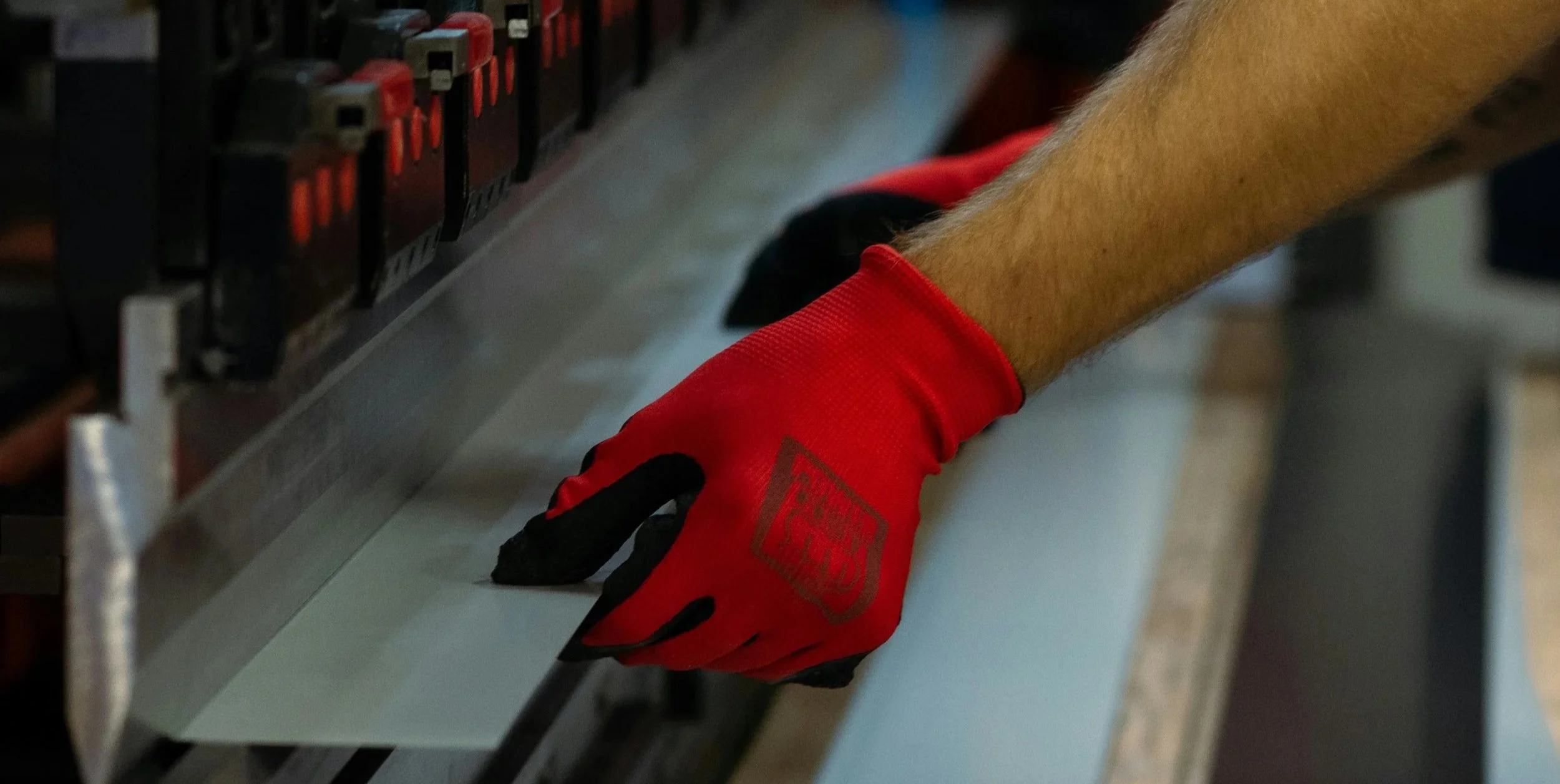
One small mistake. One unguarded moment. And the damage is done.
The job looked simple. Clear a jam on an onion grader. The worker thought the machine was off. It wasn’t. When she reached in, the moving parts grabbed her hand and several fingers had to be amputated in hospital. Investigators didn’t find some rare mechanical fault. They found basics ignored: no physical guard over the moving parts, no proper induction, no training that showed where the danger zones were.
She was sent in through a labour hire agency and put straight onto a job she didn’t properly understand. Two companies ended up in court. The labour hire mob copped a $40,000 fine for not setting up a safe system of work. The host company copped $25,000 for not guarding the machine and not training her. The fines matter. But the real cost is a hand that will never work the same again.
When nobody owns safety, everyone gets hurt
This is what happens when safety gets passed around like a hot potato. The host thinks the agency trained her. The agency assumes the host will handle site safety. The worker figures that if no one warned her, the machine must be safe. That gap between assumptions is where injuries are born.
WorkSafe was blunt about it. Safety can’t be outsourced. If you run the site or own the machine, you own the risk. If you send people to work, you own their preparation. When both sides assume the other has it covered, it’s not paperwork that suffers. It’s people.
“Safety fails when everyone assumes someone else handled it.”
Shortcuts feel normal… until someone pays for them
This isn’t just a farming story. The same pattern plays out on building sites, in workshops and in sheds everywhere. New workers turn up, deadlines are tight, and suddenly small shortcuts start feeling normal. Guards get taken off because they slow the job down. Training gets rushed because the crew is already behind. Warnings get skipped because everyone assumes the risk is obvious.
Most days, nothing happens. That’s what tricks people. You run unsafe gear over and over and get away with it, so it starts to feel harmless. But machines don’t remember yesterday. They only care where your hand is right now.
What this means for tradies on site
Every tradie’s seen something that doesn’t feel right and kept moving anyway because the clock was ticking. That pause, that “she’ll be right” moment, is where injuries start.
Safety isn’t posters or toolbox talks. It’s stopping, checking, guarding and explaining, even when it slows you down. Machines don’t care. Shortcuts don’t care. And when a site ignores the basics, it’s not unlucky when someone gets hurt. It was just next in line.
Trending News





This is not just another project going sideways. This is one of the biggest builds in Australia now drowning in delays, blowouts and claims of straight up sabotage. Billions over budget. Years behind. And now, what came out during the CFMEU inquiry is painting a picture that sounds less like a construction site… and more like chaos.