
Queensland homes keep climbing while rest of Australia hits a slow patch
While Sydney and Melbourne are finally taking a breather, Queensland is still on the gas. Brisbane in particular keeps climbing at a pace that’s making more than a few tradies think twice before packing up and heading north for work. This isn’t about paper gains or weekend investors. This is about blokes living week to week and doing the maths before saying yes to the next job. Short version: it hits harder than most people think.
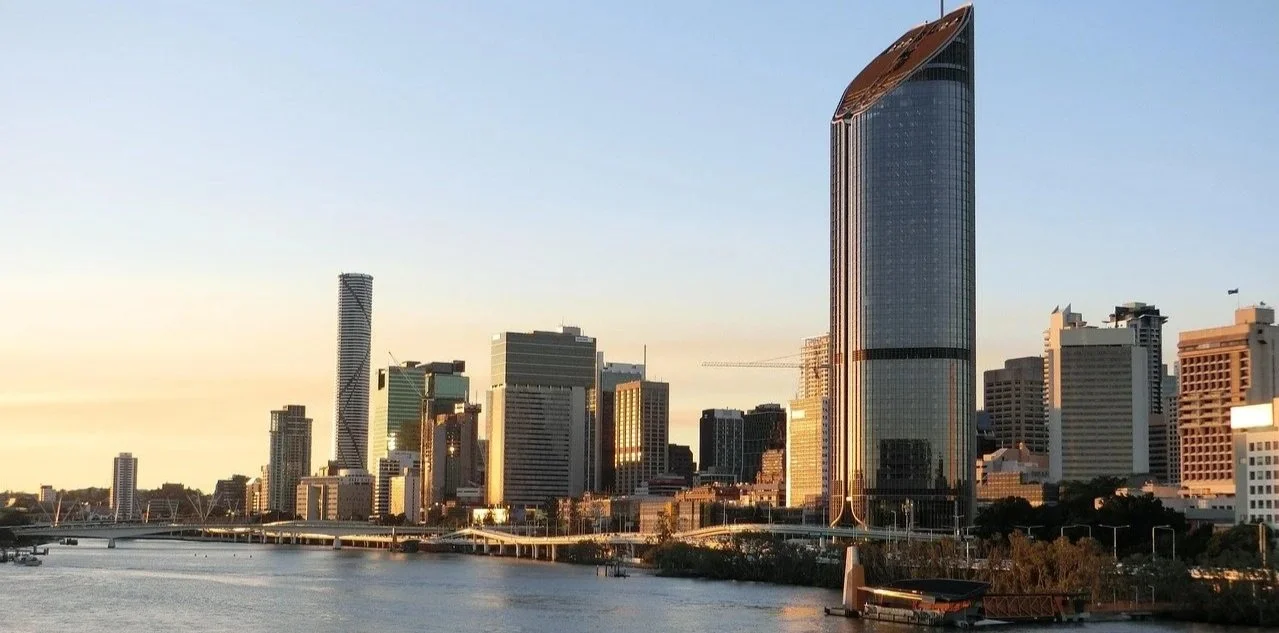
Brisbane keeps climbing while the rest of Australia taps the brakes.
If you look at the raw numbers, the story feels almost backwards. In December, Brisbane home values jumped about 1.6% in a single month. That’s roughly sixteen grand slapped onto the average place in just a few weeks.
Out in regional Queensland, annual growth is pushing 18% or more, fuelled by people moving north and steady demand. Meanwhile, Sydney and Melbourne are basically sitting still, with some pockets even sliding backwards.
For tradies, this isn’t just another property headline. It means places that once felt “doable” near site now need proper planning, proper saving and a bit of luck. Even buying somewhere just to escape rent starts to feel harder when the market keeps running away from you.
Why Queensland’s boom messes with tradie plans
Queensland running hot while other markets cool is not just a stats quirk. It directly affects how people move for work. As prices rise, rents follow. Affordable options shrink, and living close to site becomes more expensive by the month.
In places like Brisbane, where major projects are pulling in labour, the pressure doubles. There is more work around, but less housing within reach near where that work actually is. That breaks an old rule of the industry. Following the job used to be an easy call. Now every move means sitting down and working out whether the pay stacks up against a much higher cost of living in those same work heavy areas.
“You don’t see house prices on site, but they smash your bank balance.”
From theory to real life calls
That pressure becomes real when it is time to choose. Buying no longer feels like the cheap Queensland option it once was. Buying now can feel like jumping on a train that is already moving fast, while waiting risks paying more tomorrow.
Renting stays flexible, but it also becomes shakier as prices rise and lease terms tighten. That forces tradies to think differently about where they live, how much commute they can stomach each day, and whether being closer to site is worth the premium.
In this setup, housing stops being just a roof over your head. It becomes part of your work strategy. Living close to site turns into a luxury. Living further out has its own cost too. Longer drives, more fatigue, and less room to knock back a job that does not quite stack up.
How this leaks into site life
Queensland staying hot while other markets cool is already changing how people move. Rents chewing through wages, fewer cheap spots near work, and more pressure on tradies trying to juggle life and jobs.
It changes how labour flows. Some blokes think twice before taking work too far from home. Others only move if the money really stacks up. Housing isn’t a side issue anymore. It’s baked into every yes or no. Every job, every move, every long drive home at the end of a big day.
This stopped being about property charts a while ago. Now it’s about the numbers tradies run in their heads before they say, “Yeah, I’ll take the job.”
Trending News

What started as a simple fire call turned into something completely out of control. Firefighters rolled up to a house in NSW to put out a blaze… and walked out into a scene no one saw coming. Dozens of firearms, stacks of cash and a union boss in cuffs.