
Going cordless with Makita XGT? Here’s the no-BS guide you need
Makita has been pushing its XGT 40V platform hard, and it is starting to show up more and more on site. So let’s get straight to it. What is XGT actually good at, where does it fall short, and who does it really make sense for?
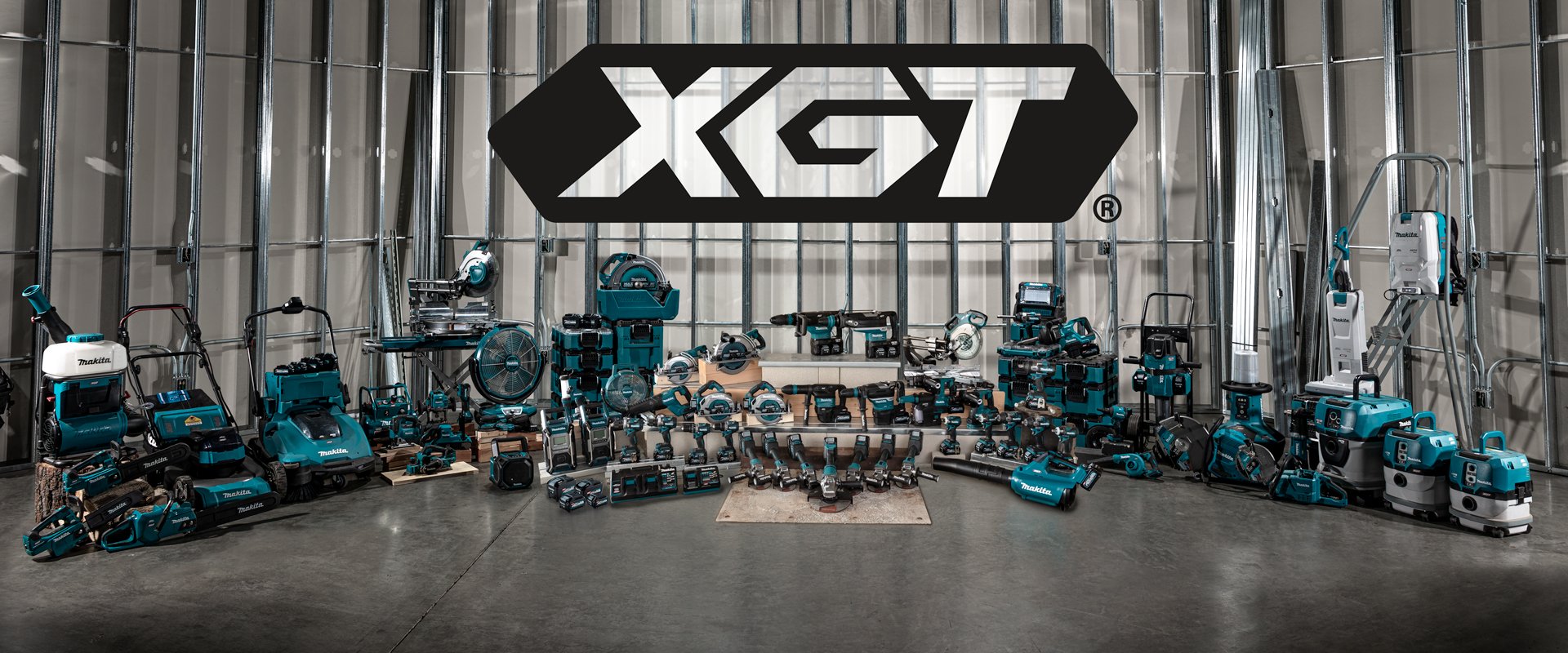
Specs are easy. Real work isn’t.
Let’s kill a myth first. Makita did not launch XGT to retire its 18V lineup. This is not a replacement. XGT is the tougher line, built to handle jobs where standard cordless gear starts to struggle. That is why it runs at 40V. Bigger batteries, more robust electronics, and larger tools designed for serious work, but without a cable.
The key point is sustained performance. These tools do not fade halfway through the job. Saws that keep their cut clean, drivers that do not flinch when materials get hard. The equation is simple. More available energy, used not just for runtime, but for consistent power.
Where XGT starts showing its teeth
XGT makes sense when you look at sustained output, not just peak numbers. XGT impact drivers push into the 200 Nm range, depending on the model, built for large, repetitive fixings without the tool losing steam halfway through. With 4.0 Ah and 5.0 Ah batteries, the push stays steady even as the charge drops, which matters on long days where stopping to swap batteries kills momentum.
Cutting tells the same story. XGT 4½ and 5 inch grinders are designed for extended grinding and cutting sessions in steel, holding RPM and keeping cuts clean without cooking themselves early. XGT circular saws and plunge saws work confidently through hardwoods, structural panels and composite materials, keeping speed and depth consistent instead of fading.
“It’s not voltage for the sake of voltage. You notice it when the tool doesn’t run out of breath.”
The real difference compared to 18V
Stacked against a good 18V setup, XGT delivers stronger sustained power and better performance in long, demanding tasks. The platform’s electronics actively manage load, protecting both the battery and the motor when the tool is being pushed hard. That matters when you are cutting, drilling or grinding for hours, not just hitting short bursts.
The downside is obvious. These tools cost more, and they run on a completely separate battery platform. Making the jump and rebuilding a kit can hurt. Even if the tools are well balanced, the investment hits the wallet hard. This is not an upgrade driven by ego. It only makes sense when the work itself is already demanding it.
When XGT actually makes sense
Let’s cut the noise and keep it straight. XGT starts to make sense when the work is genuinely demanding. Heavy cutting, grinding or drilling day in, day out. When cordless is non negotiable because site power is unreliable or generators are sketchy. Or when you are already replacing tired tools and want a real step up, not just a fresh skin on the same output.
If your day to day work is lighter, 18V is still a solid option. It is cheaper, widely supported and more than capable for a lot of tradies. There is no need to jump just because the number on the battery is bigger.
The honest wrap
Giving Makita XGT a go makes sense in the right context. It is not about vanity. It is about tackling heavy work without giving up the freedom of cordless. For plenty of tradies, that balance is genuinely appealing. The key is not the sticker. Forty volts looks good on the tool, but the only place it matters is on site. And for a cordless platform, XGT backs itself up where it counts.
Trending News










This is not just another project going sideways. This is one of the biggest builds in Australia now drowning in delays, blowouts and claims of straight up sabotage. Billions over budget. Years behind. And now, what came out during the CFMEU inquiry is painting a picture that sounds less like a construction site… and more like chaos.