
Isuzu D-Max EV breaks cover globally — could Australia be next?
The electric D-Max is now a real thing. It landed alongside confirmation that its cousin, the Hilux, is also going electric. Isuzu is already building this ute, which makes it clear this is not just a motor show concept. Now the question lands straight with tradies: can an EV still stick to a work-first philosophy, or does that promise still need diesel?
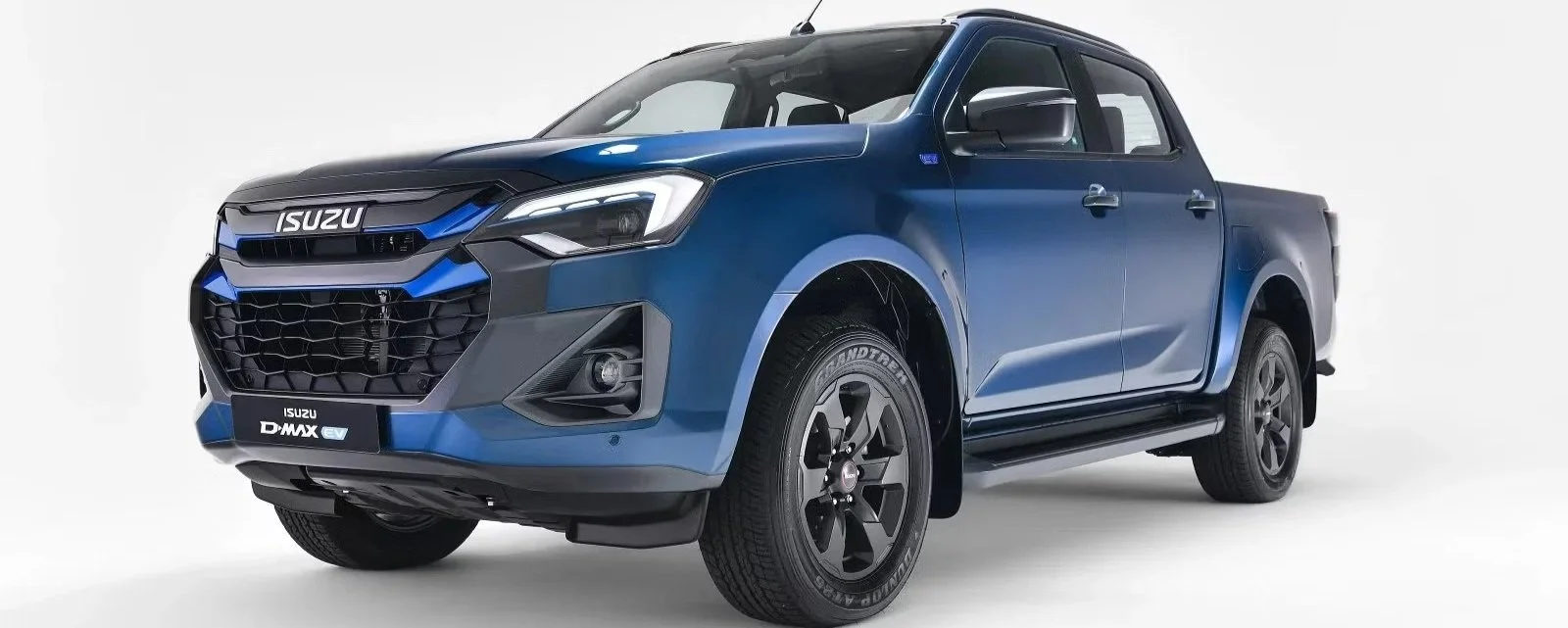
Isuzu’s D-Max EV steps into the light
Let’s start with the basics. The Isuzu D-Max EV made its global production debut last year and it is not playing it safe. It keeps a body-on-frame chassis, runs AWD with dual motors, and comes with a very clear message: this is still meant to work. Sales kick off in Europe this year, and for Aussies, the door is now open. There is no confirmed date and no official announcement for Australia, but the alarms are definitely ringing.
If it does arrive, it likely won’t be in the early part of the year. Pricing is still unknown, and specs would almost certainly need local tuning to survive Australian conditions, not just cope with them. What is certain is that this one comes without diesel, and winning over stubborn diesel loyalists will take more than a press release.
What we know so far
Isuzu hasn’t revealed everything, but there are numbers worth taking seriously. The D-Max EV claims around 140 kW of combined power and about 325 Nm of torque, fed by a ~66.9 kWh battery. Claimed range sits at roughly 263 km WLTP. That’s not bush-basher territory, but for mid-range distances and mixed use, it’s not terrible either.
On capability, the claims are bold. Up to 3,500 kg braked towing and roughly 1,000 kg payload, right in line with what buyers expect from a mid-size ute. There is one important catch though: Isuzu has not released towing range figures yet. That’s where many EVs fall over. The headline sounds tempting, but the real story will be how it behaves when hauling weight.
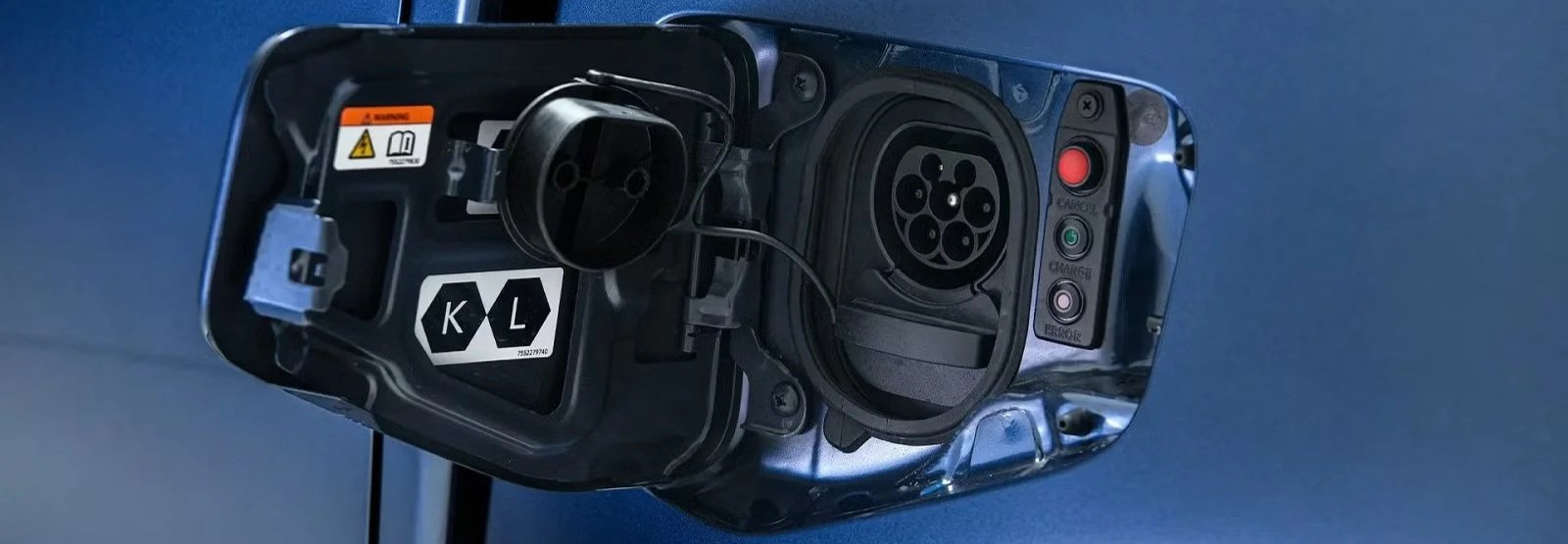
This is where the argument starts: plugging in instead of filling up.
Why this D-Max matters
Because Isuzu doesn’t play the badge war game. It doesn’t sell “the fastest” or “the flashiest”. It sells the idea of being built for work, and that’s exactly what its buyers care about. If any brand can take a serious crack at an electric ute without drowning it in hype, it’s this one.
The D-Max EV doesn’t look designed for likes. It looks designed to do the same job, even if the real-world proof is still pending. That won’t flip diesel die-hards overnight, and it shouldn’t. But it does open an interesting crack in the wall. Electric utes are getting closer to being site-ready, and for some tradies, the idea is starting to make sense.
The verdict (for now)
The D-Max EV still has to pass the Australian test: price, local spec, and most importantly, how it performs on site. If it ends up as a tech demo, it’ll fade quickly. But if Isuzu sticks to its work-first philosophy, this ute could make a real statement and take on electric rivals coming from flagship brands like Toyota or Ford.
Tradies don’t need hype or vanity design. They need utes that pull their weight. If the D-Max EV can do that, the debate is only just getting started.
Trending News



This is not a story about wealthy people whinging over expensive finishes. This is about ironclad contracts, untouchable builders and a client who says he was left with a rubbish penthouse and then threatened on top of it. The video has already gone viral, and what it shows is hard to ignore while the whole industry watches. This is exactly the kind of yarn that gets passed around on smoko, coffee in hand.