
Makita’s newest XGT vs Milwaukee’s proven Gen4: which impact driver brings real grunt?
In one corner, the Milwaukee M18 FUEL Gen4: a proven operator already worn down by years of site abuse. In the other, the Makita 40V max XGT GDT04, freshly dropped and stepping onto the slab with something to prove. One is known, trusted and predictable in the best way. The other is new, confident and backed by a platform Makita is clearly betting big on.
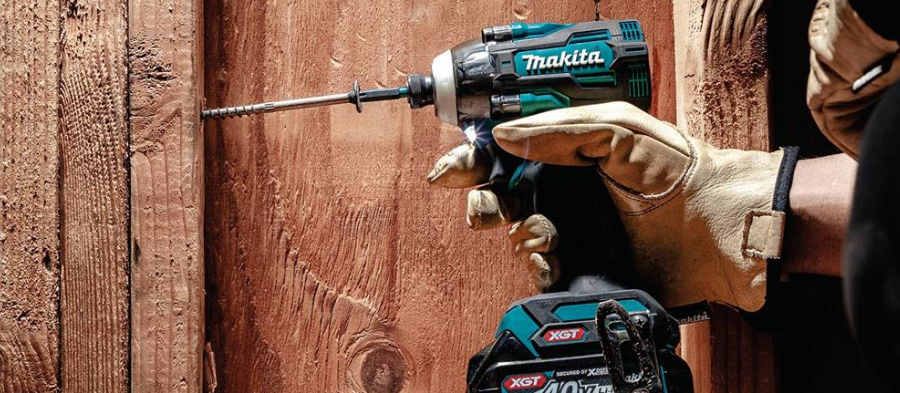
XGT GDT04, a fresh arrival at the front line
On one side sits the Milwaukee M18 FUEL Gen4 (FID3). It needs no intro. Compact, aggressive and confident in that very Milwaukee way. It has earned its stripes on site, and most tradies know exactly what it is going to do before they even pull the trigger. It is not a gamble.
Facing it is the Makita XGT GDT04, the latest impact in Makita’s 40V max lineup. This is not just a shiny marketing piece or a replacement for old gear. It is Makita pushing the XGT platform forward, chasing sustained power and better control rather than quick headline numbers.
Both tools are built for the same jobs. Structural fixings, endless screws and long days that do not care how new your gear looks. The difference is how each brand approaches the work.
Claimed power vs usable power
On paper, both sit in similar territory. The Milwaukee Gen4 claims around 2,000 in-lbs, while Makita’s newly released GDT04 nudges slightly higher at just over 2,000 in-lbs. But any tradie knows numbers alone mean nothing on site. What matters is how that power shows up and how long it stays there. Big figures are useless if you end up snapping screws, chewing heads or wrecking your wrists.
The Milwaukee Gen4 feels fast and direct. It hits like a bullet. The Makita GDT04 delivers its power in a more controlled, deliberate way. It takes its time, but still feels planted and confident when things get ugly.

Milwaukee Gen4, No fuss, no learning curve, just pull the trigger and get on with it.
Modes, speeds and fine control
Both tools offer multiple speed settings, and it is worth clearing that up. Milwaukee does run four speeds, but they feel more like straight power steps, quick to select and easy to live with, especially when you just want to get on with it.
Makita takes a slightly different approach. The GDT04 leans hard into the XGT philosophy, with its settings feeling more like task-specific modes than simple speed changes. From light fixings into plugs to driving long fasteners through timber, steel or pipe, the tool actively changes how it delivers power, not just how fast it spins.
Milwaukee’s approach is simpler and more aggressive. Fewer decisions, faster reactions and a very direct feel through the trigger. For a lot of tradies, that means less thinking and more doing, and that is exactly how they want an impact to behave.
““Big numbers don’t drive screws. Control does.”
On-site feel: speed vs consistency
In real-world use, the Milwaukee Gen4 shines in repetitive work where speed rules. It keeps pace, holds its nerve and does not overheat easily. That is its lane, and it owns it. The Makita GDT04 feels more composed when the job needs control over brute force. It is not slow, but its modes come into their own when screw types, materials and fixings change throughout the day.
Both tools are compact, comfortable and built to handle daily punishment. Milwaukee has a slight edge with its shorter head, which can make tight spaces a bit less painful. That said, the Makita holds its ground. At this level, brand familiarity and system loyalty matter almost as much as the tool itself.
No clear winner, just clear differences
There’s no clean knockout here, and that’s the point. The Milwaukee Gen4 is about speed, aggression and knowing exactly what you’re getting every time you pull the trigger. The Makita GDT04 shows where XGT is heading: controlled power, versatility and a more measured way of getting work done.
Pick Milwaukee and you’re backing something already proven under pressure. Pick Makita and you’re betting on refinement and control paying off across mixed jobs. Either way, you won’t know if you chose right by reading specs. You’ll know after a full day on site, when the screws are driven, the wrists are tired and patience has run out.
Trending News










This is not just another project going sideways. This is one of the biggest builds in Australia now drowning in delays, blowouts and claims of straight up sabotage. Billions over budget. Years behind. And now, what came out during the CFMEU inquiry is painting a picture that sounds less like a construction site… and more like chaos.