
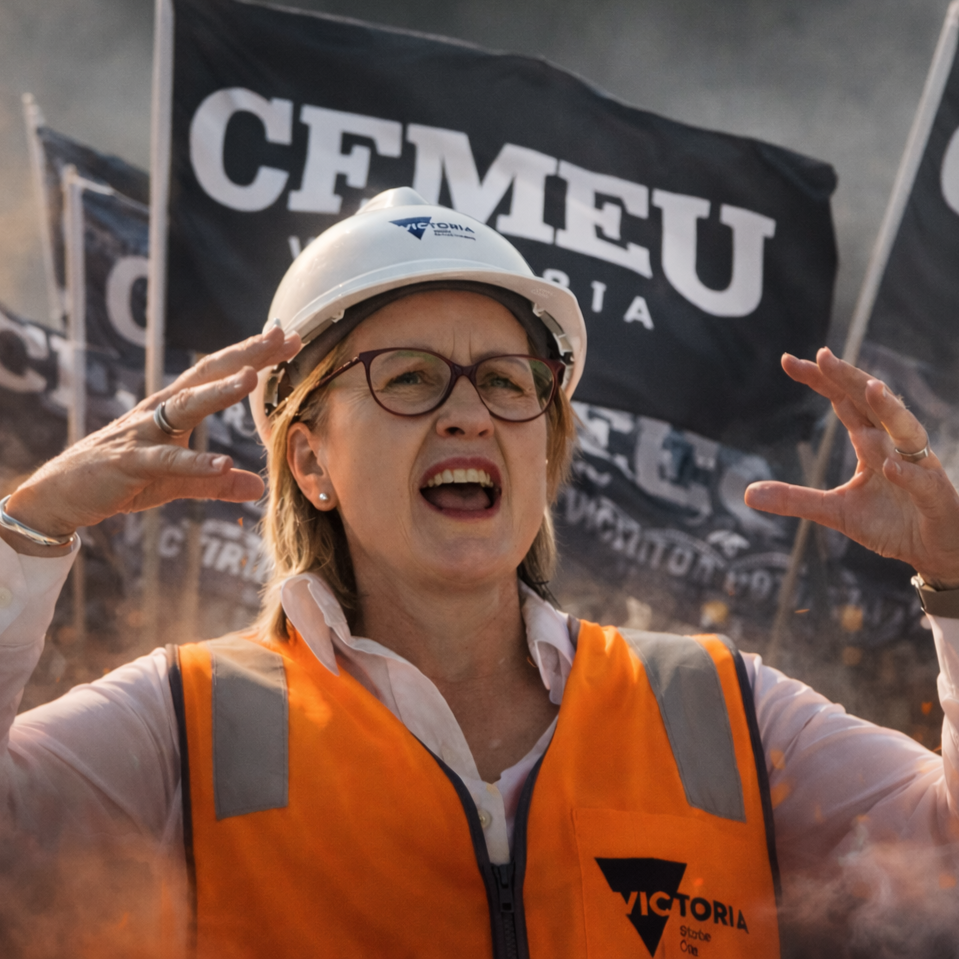
$30 Billion, bikies and still no Royal Commission? What are they waiting for?
After the scandal that exposed allegations of corruption, intimidation and links to organised crime inside the CFMEU, the spotlight is no longer just on the union. Now the eyes are on Parliament. And the question starting to bite hard is simple: If we are talking about corruption at this scale and a union this massive, why is there still no Royal Commission?
After the scandal that exposed allegations of corruption, intimidation and links to organised crime inside the CFMEU, the spotlight is no longer just on the union. Most people already accept that something stinks. Now the eyes are on Parliament. And the question starting to bite hard is simple: If we are talking about corruption at this scale and a union this massive, why is there still no Royal Commission?
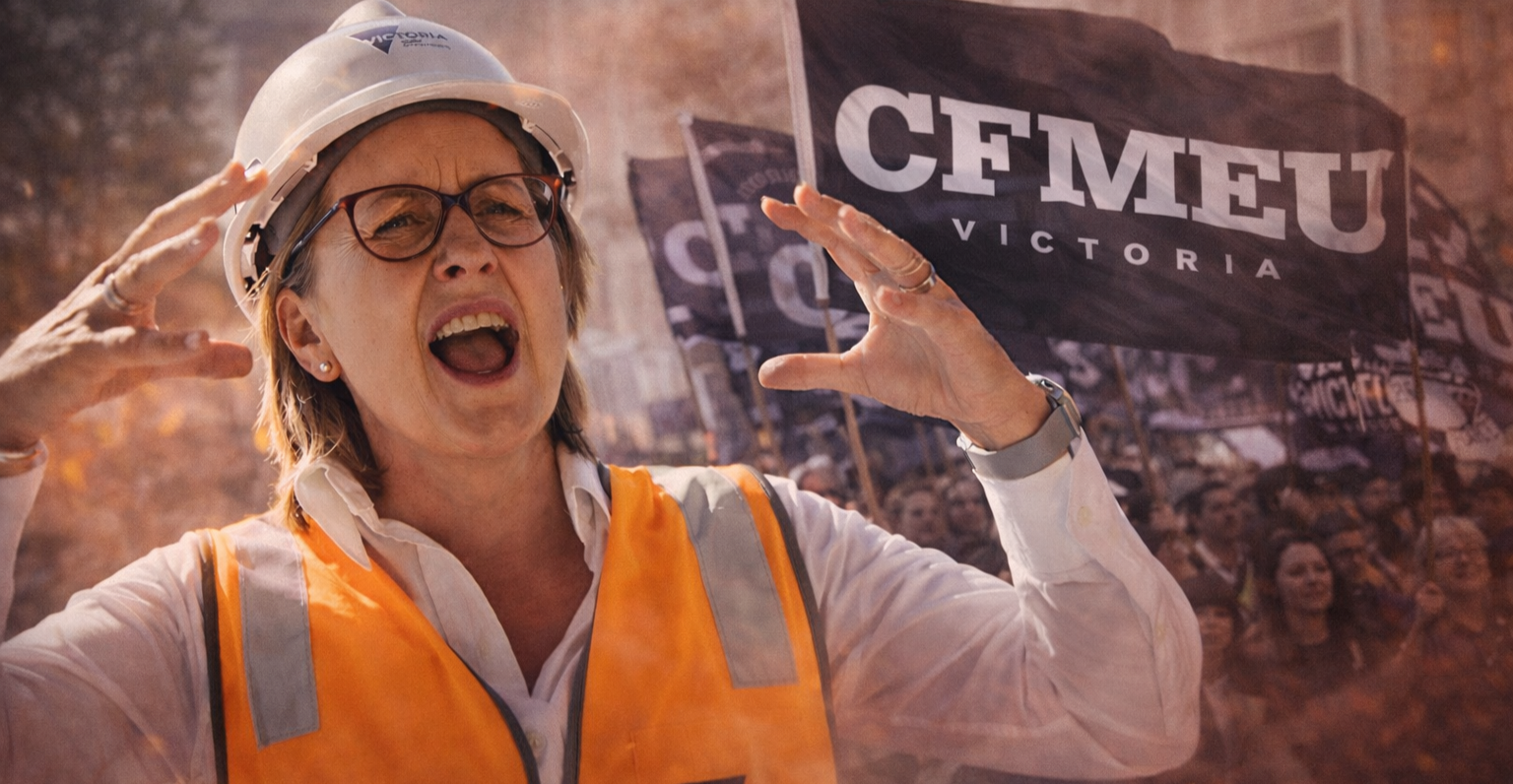
When the scandal jumps from the site to Parliament… and no one wants to say “Royal Commission” out loud.
What began as union drama is now making more than a few politicians uncomfortable. Victorian Premier Jacinta Allan is under pressure after publicly rejecting the idea of a Royal Commission while some within Labor circles are pushing in that direction.
The most awkward moment came when tensions flared during a press conference, with Allan confronting a journalist who challenged her stance on the scandal and visibly bristling at questions about the situation. And it has to be said, the journalist’s line of questioning hit a nerve for a reason. From the outside, Allan’s response looks unusually detached given the seriousness of what is on the table.
The number nobody wants to repeat out loud
For weeks, talk has circled around a figure close to $15 billion in potential cost blowouts linked to the Big Build. Now, some estimates are pushing that impact up to $30 billion. It is not a court proven figure. But when the number starts with a three and carries nine zeros, politics stops sounding technical and starts sounding expensive. That is serious money, no spin changes that.
And this is not about minor line items. This is public infrastructure, taxpayer funds and projects paid for by millions of Australians through their wages. When reports outline allegations this serious, the logic becomes blunt. What more needs to happen before the system’s heaviest investigative tool is activated?
“If not a Royal Commission for that kind of money… then what exactly qualifies?”
The union is enormous. So is the silence.
This is not a fringe group. The CFMEU is one of the largest and most powerful unions in the country, with thousands of members and long standing ties within the industrial and political landscape. That scale is exactly what makes the question uncomfortable.
If the reports describe intimidation, a culture of fear and possible links to organised crime within the construction arm, and if arrests and charges are already in motion, the public expectation is not about stirring drama for the sake of it. It is about full transparency.
When the official response is that a Royal Commission may be unnecessary, the vacuum does not stay empty. It fills with speculation.
From bikies to Parliament: who is really under pressure now?
The issue is no longer just what happened inside the union. It is what the government is prepared to do in response to something that has moved beyond rumour and into official findings, something that has shaped and may still be shaping real sites across Victoria.
Jacinta Allan can continue to say there is no formal discussion about launching a Royal Commission. But politically, the pressure is already there and it is unlikely to fade quietly.
That might be a debate for suits in Parliament. On site, the conversation is far more direct, because once bikies, intimidation and billions of taxpayer dollars enter the conversation, this stops being union politics. It becomes a test of political courage. And right now, a lot of people are watching to see who blinks first.
Trending News
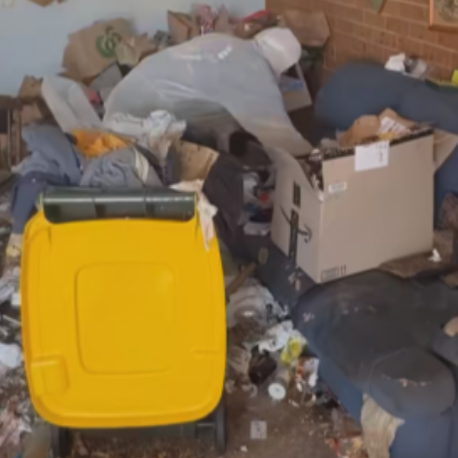
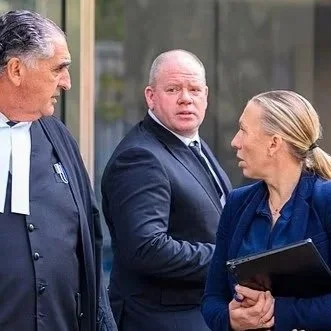
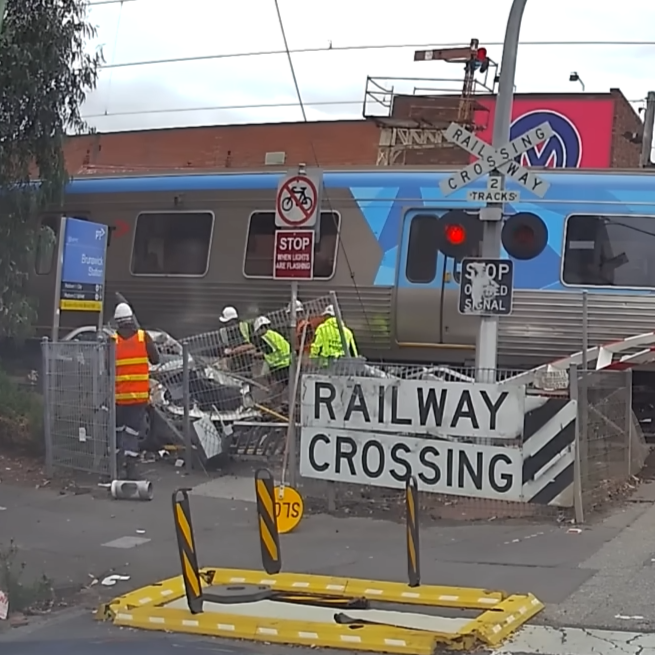
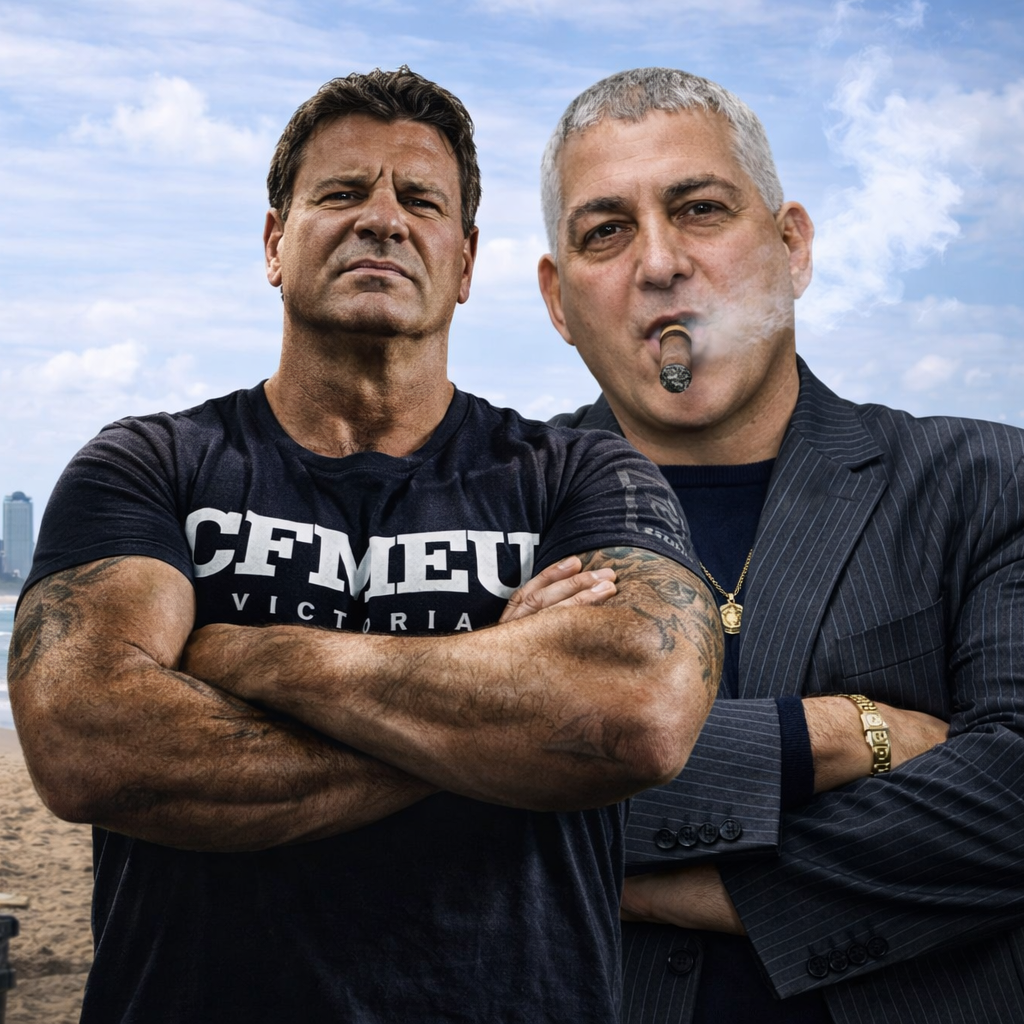


This is not just another project going sideways. This is one of the biggest builds in Australia now drowning in delays, blowouts and claims of straight up sabotage. Billions over budget. Years behind. And now, what came out during the CFMEU inquiry is painting a picture that sounds less like a construction site… and more like chaos.