
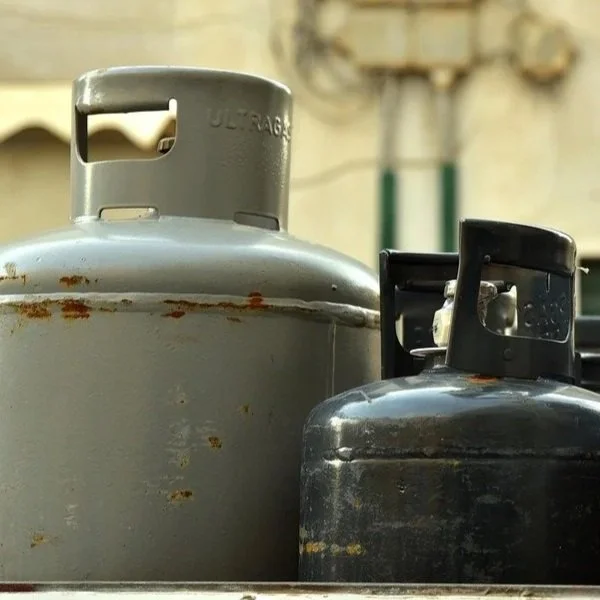
Gas reservation plan confirmed, but tradies want to see it work
The government has made a hard call on Australian gas. This does not mean prices drop tomorrow — that needs to be said upfront — but it could change how energy costs move over time, and those costs always end up flowing through the construction sector.
The government has made a hard call on Australian gas. This does not mean prices drop tomorrow — that needs to be said upfront — but it could change how energy costs move over time, and those costs always end up flowing through the construction sector. The impact won’t land overnight, but tradies and businesses are watching closely to see whether the promised relief actually shows up.
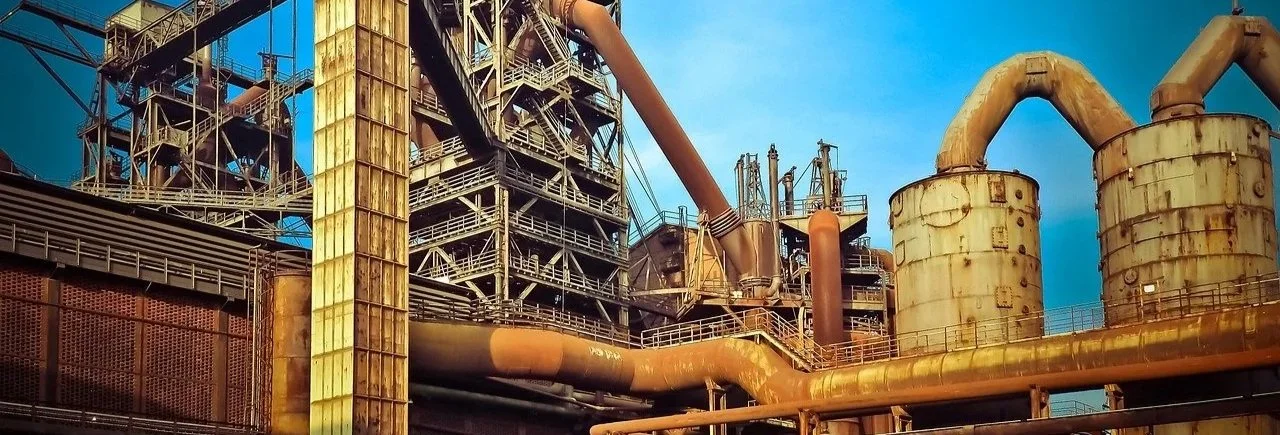
You can’t see gas, but you feel its price in every material.
The decision itself isn’t complicated. A portion of the gas produced on the east coast must stay in the domestic market instead of being fully exported. The goal is to make sure local supply is secured and to avoid prices blowing out like they have in the past. The new framework is set to apply from 2027, so yes, patience is part of the deal.
This move comes after years of complaints from local industries that have had enough of constant price spikes, and construction is right at the centre of that frustration. Paying near export level prices for gas that is extracted locally never made much sense to begin with.
Why energy costs always hit site in the end
Most tradies do not use gas directly in their daily work. But the construction sector depends heavily on it behind the scenes. Cement, steel, bricks and ceramics all rely on large amounts of energy to be produced. When gas prices jump, material prices follow, and plenty of tradies have already felt that hit through tighter budgets and painful cost increases.
The key point here isn’t cheap prices overnight, It is about stopping the wild swings. If gas prices become more stable, material pricing becomes more predictable. That alone would be a relief in an industry that has been constantly bracing for the next shock.
“This won’t make things cheap, it just stops the nasty surprises.”
Cheaper gas? Maybe, but it comes with strings attached
In theory, reserving more gas for domestic use should put pressure on prices or at least prevent them from climbing as aggressively as they have been. In practice, it will depend on how contracts are structured and how hard exporters push back. No one with serious money at stake wants to give up ground easily.
For material manufacturers and large suppliers, the signal is still positive. More certainty makes it easier to plan ahead. For construction, that could mean fewer excuses for constant material price rises being added to every quote.
What this actually means for tradies day to day
This is where expectations need to stay realistic. Petrol and diesel are not part of this scheme, so filling up the ute is not about to get cheaper. It also does not mean energy bills suddenly drop, at least not in the short term.
For tradies, the impact is indirect. If energy stops being such a volatile factor for suppliers and contractors, material costs, hire rates and services may start to stabilise. That matters in a sector where every budget is written with uncertainty hanging over it. It is not a silver bullet. But after years of price chaos, even a bit more predictability is something the industry will be watching closely.
Trending News







This is not just another project going sideways. This is one of the biggest builds in Australia now drowning in delays, blowouts and claims of straight up sabotage. Billions over budget. Years behind. And now, what came out during the CFMEU inquiry is painting a picture that sounds less like a construction site… and more like chaos.