
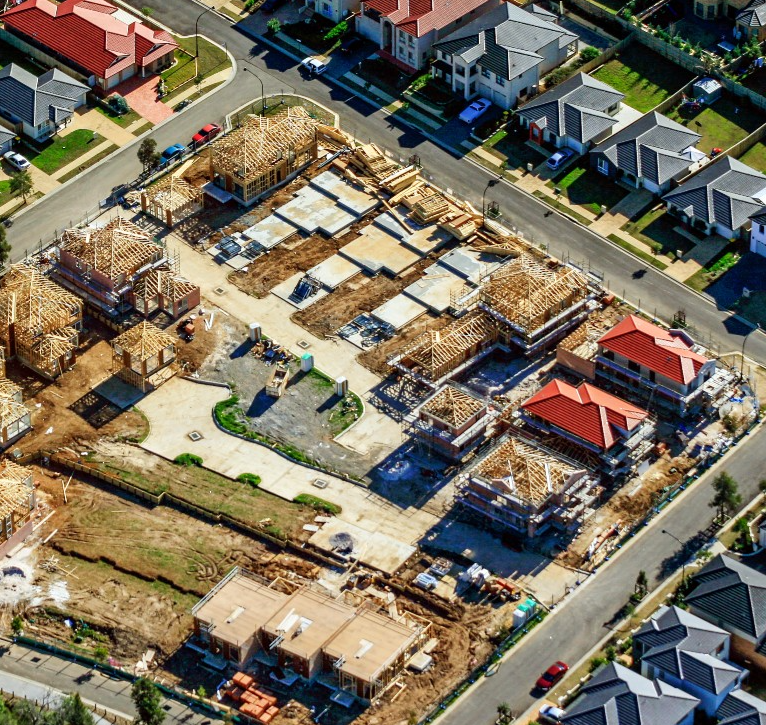
Tiny density tweaks to ‘fix’ housing? Tradies say: “Good luck, mate.”
Australia’s top policy thinkers at the Committee for Economic Development of Australia reckon they have cracked the housing crisis by tweaking density rules. Cute idea. But maybe fix the basics first. Materials cost a fortune, approvals move slower than a busted ute and tradies are already pushed to the limit.
Australia’s top policy thinkers at the Committee for Economic Development of Australia reckon they have cracked the housing crisis by tweaking density rules. Cute idea. But maybe fix the basics first. Materials cost a fortune, approvals move slower than a busted ute and tradies are already pushed to the limit. From where the steel caps are standing, this feels like another plan cooked up by people who have never fought a council form in their lives.
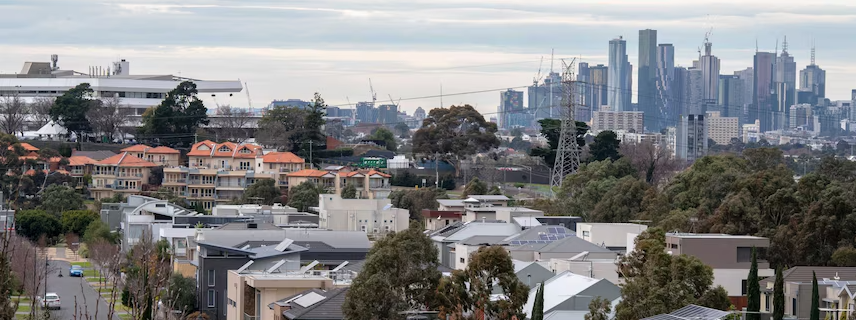
CEDA imagines a smoother, denser future. Tradies see the bottlenecks standing in the way
CEDA claims that allowing more low rise development could lift housing stock by twelve percent in Sydney, fifteen in Melbourne, sixteen in Brisbane and Adelaide and seventeen in Perth. On paper, it looks like a clean solution. Build more homes, hit the million homes by 2029 dream, keep the cities growing. But that tidy picture does not survive first contact with reality.
If It Works, Tradies Win Big
The upside is real if the plan ever gets off the ground. More duplexes, townhouses and conversions mean a proper wave of work for sparkies rewiring old places and brickies stacking fresh walls. A lot of tradies could pocket better coin if the pipeline finally opened up.
But the elephant is still sitting in the room. There are not enough workers to meet current demand, and materials appear and disappear from shelves whenever they feel like it. Gentle density sounds nice, but it does not fix the fact that half the industry is running on fumes.
“If paperwork built homes, we’d hit a million by Friday”
Less Time on the Motorway, More Time Earning
One part of the proposal that does hit the mark is the idea of working closer to home. If suburbs start filling with small scale builds, tradies can smash out a full day without burning half a tank across the motorway. That alone would make a lot of workers breathe easier.
It could even drag new people into the trades. A steady flow of jobs in the suburbs is more appealing than long commutes, traffic jams and the daily chiropractor roulette. The industry desperately needs that kind of boost.
The Auckland Example Everyone Pretends Is Simple
CEDA loves pointing to Auckland as the shining example of gentle density done right. Yes, it increased housing there, but prices still went up and the context is nothing like Australia. Copy and paste solutions rarely survive the trip across the Tasman. Our cities are larger, more spread out and facing different economic pressures. Most people would pick a proper home over a cramped apartment, sure, but being able to afford one is a different battle entirely.
“New duplexes are great — once the materials stop disappearing like socks in a dryer.”
A Neat Idea That Ignores the Mud on the Boots
The report is polished, confident and optimistic. What it lacks is the perspective of the people who actually lift frames, pour slabs and fight with suppliers. Tradies know the real lead times. They know which approvals vanish into a black hole and which deliveries never show up.
Until policymakers step out of the office and listen to the crews on the ground, solutions like this will always miss half the picture. Most tradies will skim the proposal, shrug and deliver the only response that fits: Good luck, mate.
Trending News








This is not just another project going sideways. This is one of the biggest builds in Australia now drowning in delays, blowouts and claims of straight up sabotage. Billions over budget. Years behind. And now, what came out during the CFMEU inquiry is painting a picture that sounds less like a construction site… and more like chaos.