

Why High Cash Flow Does Not Automatically Create Wealth
Many subcontractors earn strong money, especially during busy periods. When work is flowing, invoices are being paid, and cash is coming in regularly, it can feel like you are in a very strong position. In many cases, you are. The mistake is assuming that high income alone equals long-term security.

Many subcontractors earn strong money, especially during busy periods. When work is flowing, invoices are being paid, and cash is coming in regularly, it can feel like you are in a very strong position. In many cases, you are.
The mistake is assuming that high income alone equals long-term security. It does not.
The biggest risk for subcontractors is not variable income. It is relying on income alone. When your financial position depends entirely on your ability to work, the margin for error is small. Injury, burnout, illness, or a slowdown in work can change things very quickly.
During good periods, it is easy to believe things will stay that way. There is always another job, another contract, another strong month. This mindset often leads to putting long-term decisions off. Many subcontractors tell themselves they will start planning once income feels more stable.
The problem is that income often feels unstable right up until the day it is gone.
Strong cash flow years are opportunities. They are not guarantees. The subcontractors who build real wealth tend to treat high earning periods as temporary advantages, not permanent conditions.
They focus on converting income into assets that last beyond their ability to work.
“The biggest risk for subcontractors is not variable income. It is relying on income alone.”
This is where many people go wrong. Instead of locking in long-term stability, surplus cash often goes toward lifestyle upgrades. Bigger vehicles, more spending, or simply letting money sit idle until it gets used.
Over time, years of strong earnings pass without anything meaningful to show for them.
Assets that grow over time create balance. They are not tied to how many hours you work or how your body holds up. They continue working during slower periods and provide stability when income is unpredictable. This is especially important for subcontractors whose work depends on physical effort.
There is also a common belief that long-term planning should wait until income becomes consistent. In reality, the opposite is true. The more variable your income is, the more important it becomes to build stable foundations outside of it.
Planning during high income years creates options later on. Options to slow down, options to take time off, options to say no to work that is not worth it. Without assets, those options disappear quickly.
Building wealth as a subcontractor is not about chasing the next big year. It is about capturing the benefit of good years and turning them into something that lasts. Income comes and goes. Assets remain.
Subcontractors who understand this early give themselves far more control over their future. They are not just working hard.
They are working with purpose.
Trending News



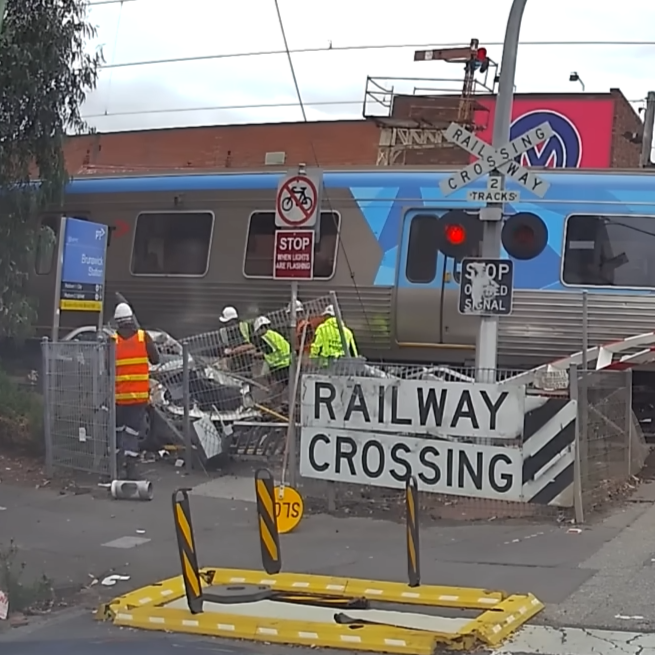



This is not just another project going sideways. This is one of the biggest builds in Australia now drowning in delays, blowouts and claims of straight up sabotage. Billions over budget. Years behind. And now, what came out during the CFMEU inquiry is painting a picture that sounds less like a construction site… and more like chaos.