
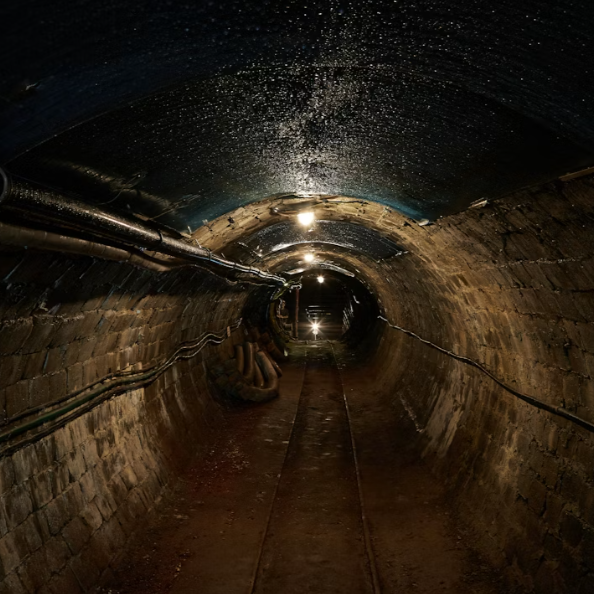
QLD mine collapse shakes industry, site safety suddenly feels real again
Two serious mining incidents in Queensland, just hours apart at the start of 2026, have dragged site safety back into the spotlight the hard way. Not through policy updates or toolbox talks, but through loss. This is not just a mining story. It is a reminder written in steel and concrete that when safety slips on site, there is no second chance.
Two serious mining incidents in Queensland, just hours apart at the start of 2026, have dragged site safety back into the spotlight the hard way. Not through policy updates or toolbox talks, but through loss. This is not just a mining story. It is a reminder written in steel and concrete that when safety slips on site, there is no second chance. Anyone working around structural risk knows how close this really is.
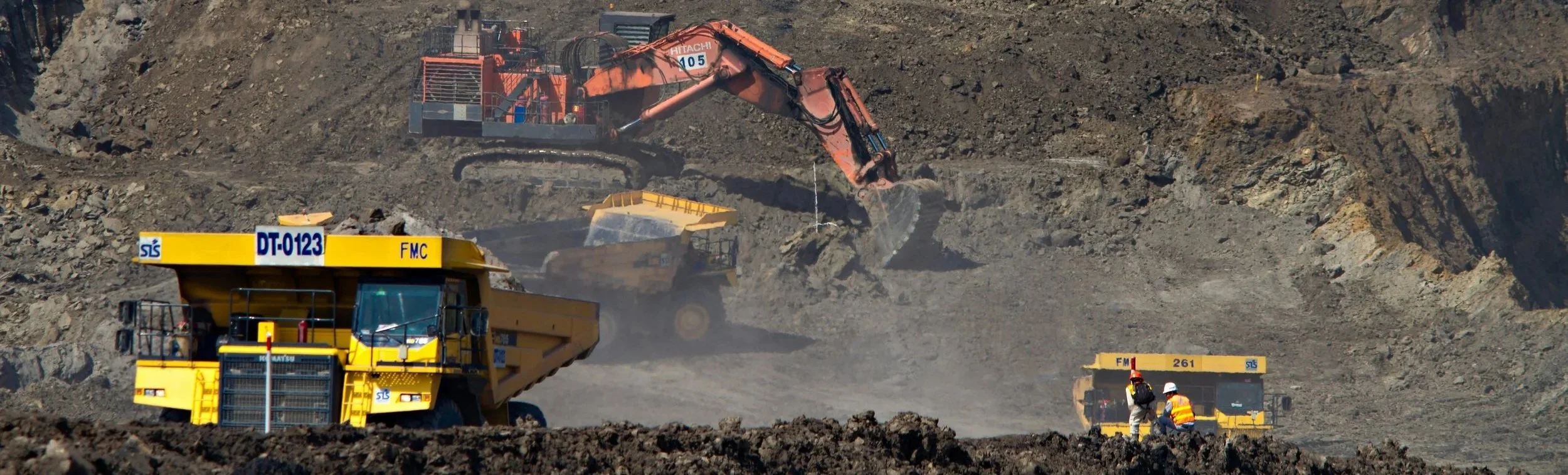
On heavy sites, safety is everything.
In Central Queensland, a collapse inside an underground mine triggered an emergency response after part of the roof gave way while workers were underground. Rescue crews worked for hours trying to reach the trapped operators. Tragically, one worker lost their life and others were injured, leading to an immediate shutdown of operations and a formal investigation.
Almost in parallel, a second serious incident was reported at another mining site in the state, also linked to a structural collapse. While the circumstances were not identical, the outcome was just as grim, with another worker killed. Two separate events, in different locations, connected by the same reality: when a site gives way, it does not negotiate. It does not slow down. And it does not care who is standing underneath.
What we know so far
Investigations into both incidents are ongoing, and for now there are no final conclusions. In the fatal Central Queensland collapse, early information points to a failure in the roof of an underground section, an area considered high-risk even under strict controls. In the second incident, authorities are also examining ground conditions to determine whether it was another structural failure.
In both cases, the focus is on whether supports were adequate, whether there were warning signs of instability, and how safety protocols were being applied. No individual responsibility has been assigned at this stage, but there is already a clear push to review the processes that failed to prevent the tragedies.
“Sites don’t give warnings. They just give way.”
Why this matters beyond mining
It would be easy for tradies to scroll past this and file it under mining news. But the parallel is obvious. Swap a mine tunnel for a deep excavation, a basement dig or structural work on site, and the risk is the same. When ground or structure fails, the window to react is measured in seconds, if it exists at all.
Mining is generally seen as operating under high safety standards, and construction is supposed to follow suit. But two serious incidents in such a short window force an uncomfortable question: how prepared are other sites, especially where controls are more relaxed or routine has normalised risk?
A reminder no one wants
Safety isn’t a box to tick or a form to sign. It’s a daily practice built on constant decisions on site and on not ignoring things when they don’t look right.
For tradies, this story matters because it makes one thing painfully clear: structural risks don’t care about industry labels. When a site fails, lives are lost, or if you’re lucky enough to survive, you may be left carrying the damage for life.
Trending News



This is not just another project going sideways. This is one of the biggest builds in Australia now drowning in delays, blowouts and claims of straight up sabotage. Billions over budget. Years behind. And now, what came out during the CFMEU inquiry is painting a picture that sounds less like a construction site… and more like chaos.