
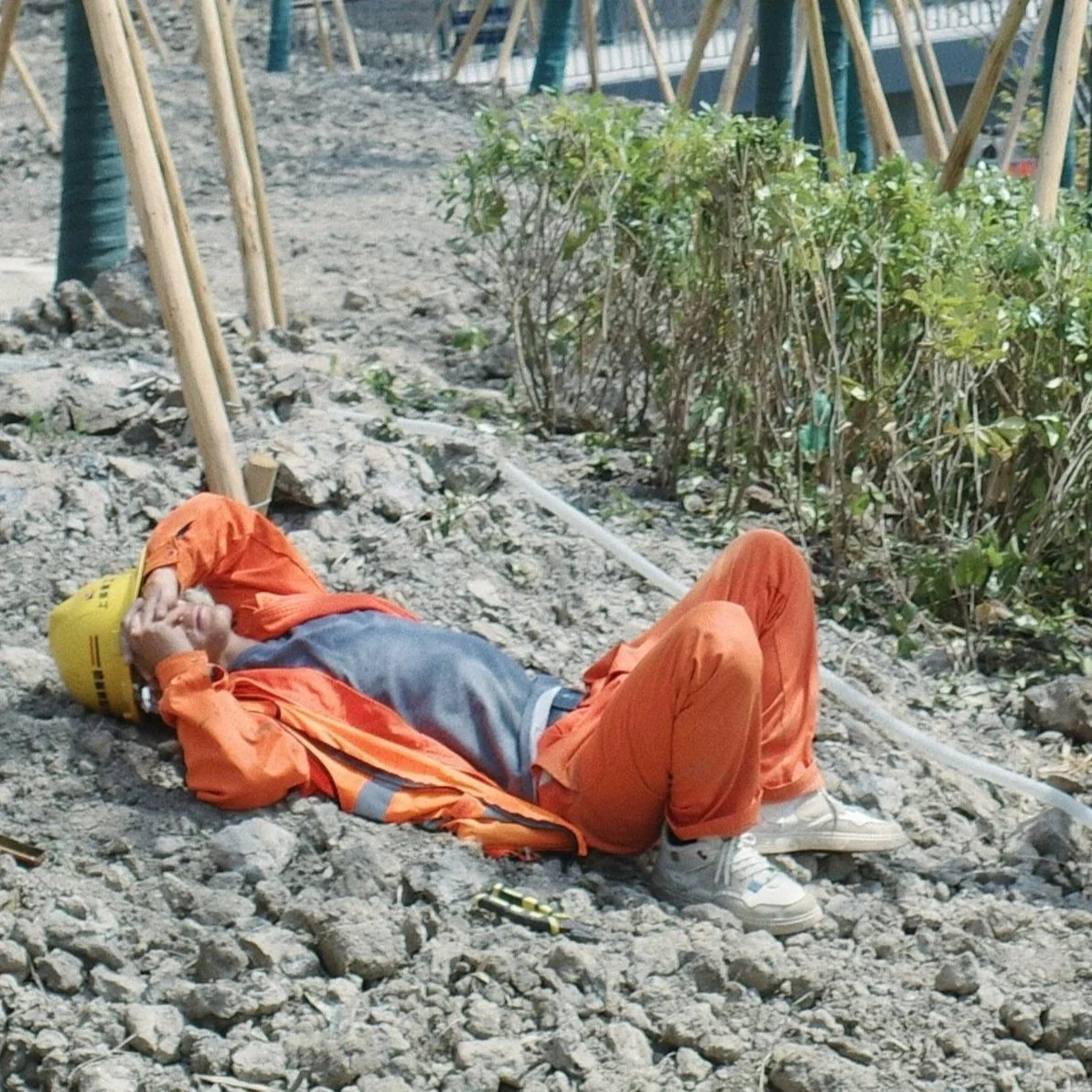
Tradies are burning out fast, and the industry’s paying dearly
Fatigue on site is not only about sore backs and busted knees. It is mental as well. Long shifts, tight deadlines and constant pressure are turning into a dangerous mix for tradies, pushing them right to the edge. This is not a new problem, but the current labour shortage is making it worse: more work, fewer hands.
Fatigue on site is not only about sore backs and busted knees. It is mental as well. Long shifts, tight deadlines and constant pressure are turning into a dangerous mix for tradies, pushing them right to the edge. This is not a new problem, but the current labour shortage is making it worse: more work, fewer hands.
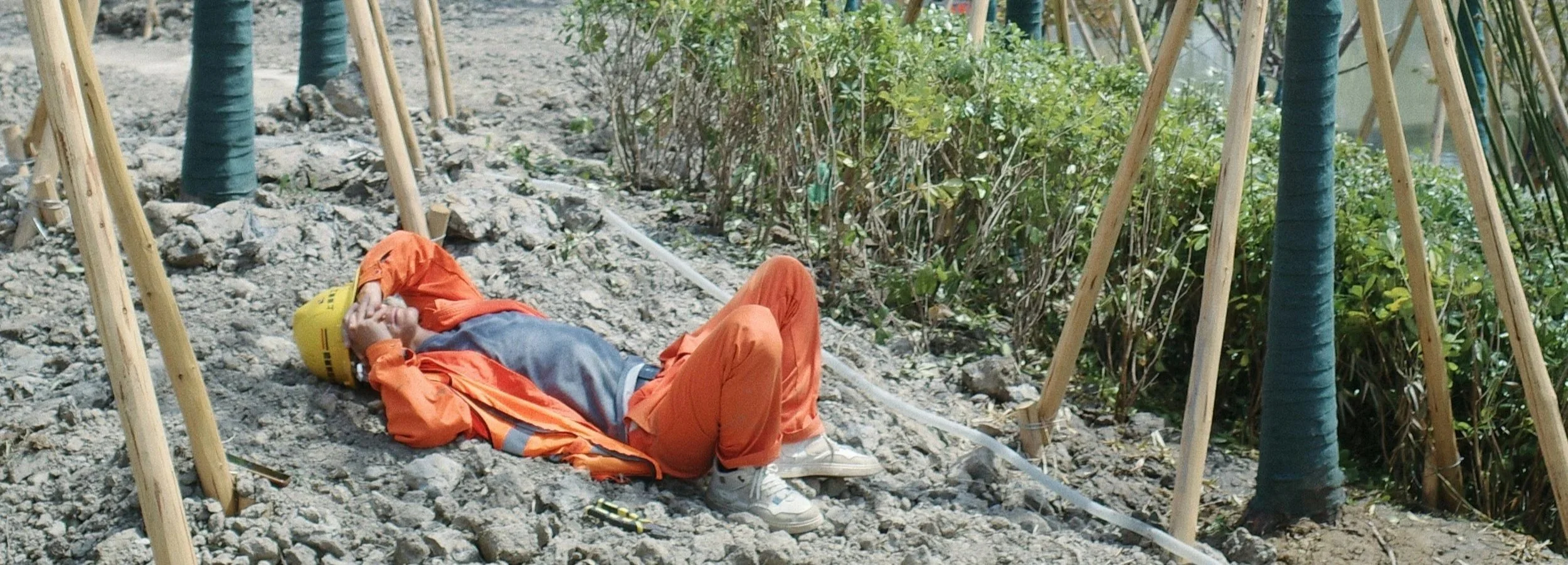
When there’s no downtime left, the body eventually calls it.
Being on site has never been an easy gig. Not everyone can handle the physical grind, the long hours and the pressure that comes with construction. Those have always been part of the job. What is really breaking things now is that the intensity has become the everyday reality. Many tradies no longer get breaks between projects or quieter weeks to recover.
The labour shortage everyone is sick of hearing about is doing real damage here. Look past the headlines and it becomes clear this is not just an industry issue, it is a mental and physical health risk. For tradies who pride themselves on pushing hard, fatigue has become constant. And even the toughest operators cannot run flat out forever.
When the pressure never lets up
Construction workers are one of the most vulnerable groups when it comes to mental health in Australia. Study after study shows the sector faces higher risks, both physically and mentally. The numbers are confronting: higher suicide rates among male tradies, widespread chronic stress, and early signs of psychological strain. This work is not built for everyone.
That reality became impossible to ignore in August during Tradies National Health Month, when mental health conversations moved out of the margins and onto worksites. This was not just social media talk. There were site visits, materials handed out in sheds, and toolbox talks addressing what many tradies had already been feeling but rarely said out loud.
“Once ‘pushing through’ is the culture, burnout isn’t a warning — it’s expected.”
Burnout isn’t weakness: it’s accumulated wear and tear
“Pushing through” has always been part of site culture. The problem is that burnout works quietly. Fatigue builds up, then shows itself as constant irritability, short tempers and poor focus. That lack of concentration turns into mistakes, and on a worksite, mistakes carry real risk.
This is not about trying harder or toughening up. The research is clear: tradies are already a vulnerable group, and exhaustion raises the stakes for the entire industry. Burnout does not just burn people out, it increases risk on site.
The cost doesn’t always show up in the budget
Burnout never appears in a spreadsheet, but it still gets paid for. It shows up as avoidable errors, near misses, injuries and people quietly walking away from the trade. It shows up in worn-out crews, broken momentum and high turnover that makes long-term projects harder to sustain.
Talking about mental health in construction is not about softening the industry. It is about recognising reality. Without tradies who are mentally and physically fit to work, there is no productivity, no safety and no future pipeline. The pressure is not disappearing tomorrow, but ignoring fatigue has immediate consequences. And this time, it is not just about deadlines. It is about people: you can’t build safely on burnt-out tradies.
Trending News
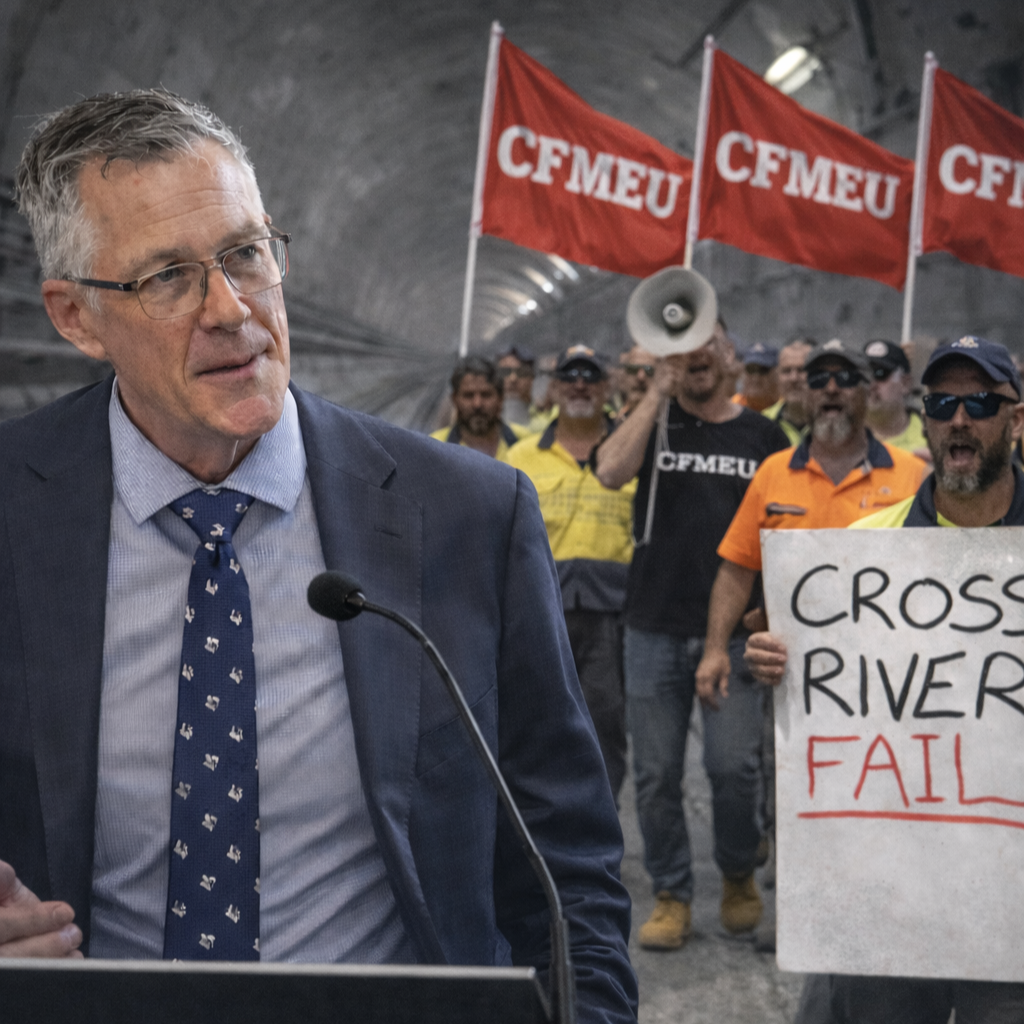

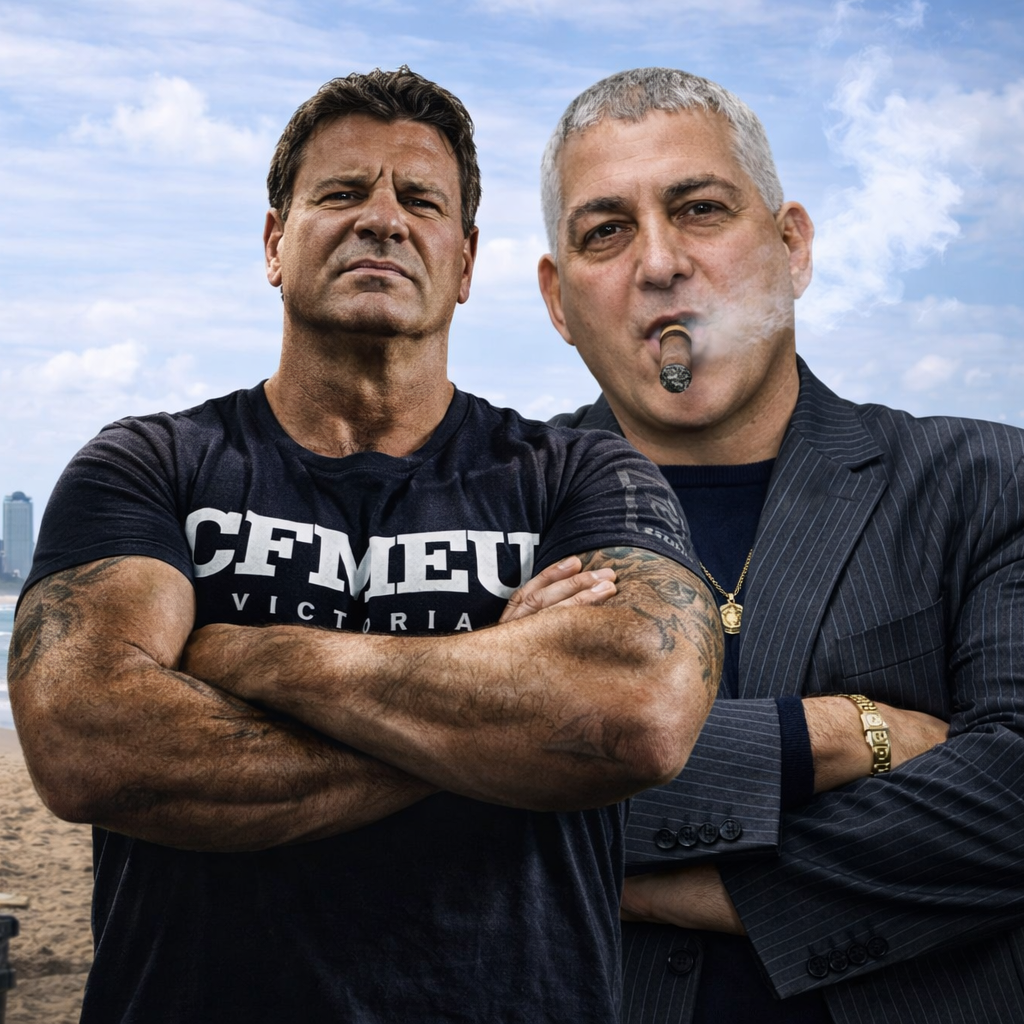
What started as a simple fire call turned into something completely out of control. Firefighters rolled up to a house in NSW to put out a blaze… and walked out into a scene no one saw coming. Dozens of firearms, stacks of cash and a union boss in cuffs.