
When a builder folds, tradies are left holding the bag
This isn’t a rare story or a one-off. When a builder collapses halfway through a project, the hit doesn’t land evenly. Contracts get frozen, subbies usually end up at the back of the line, and tradies are often the ones left out of pocket, paying for someone else’s mess. Insolvencies remain a hard reality in construction, and on site, you feel it fast.
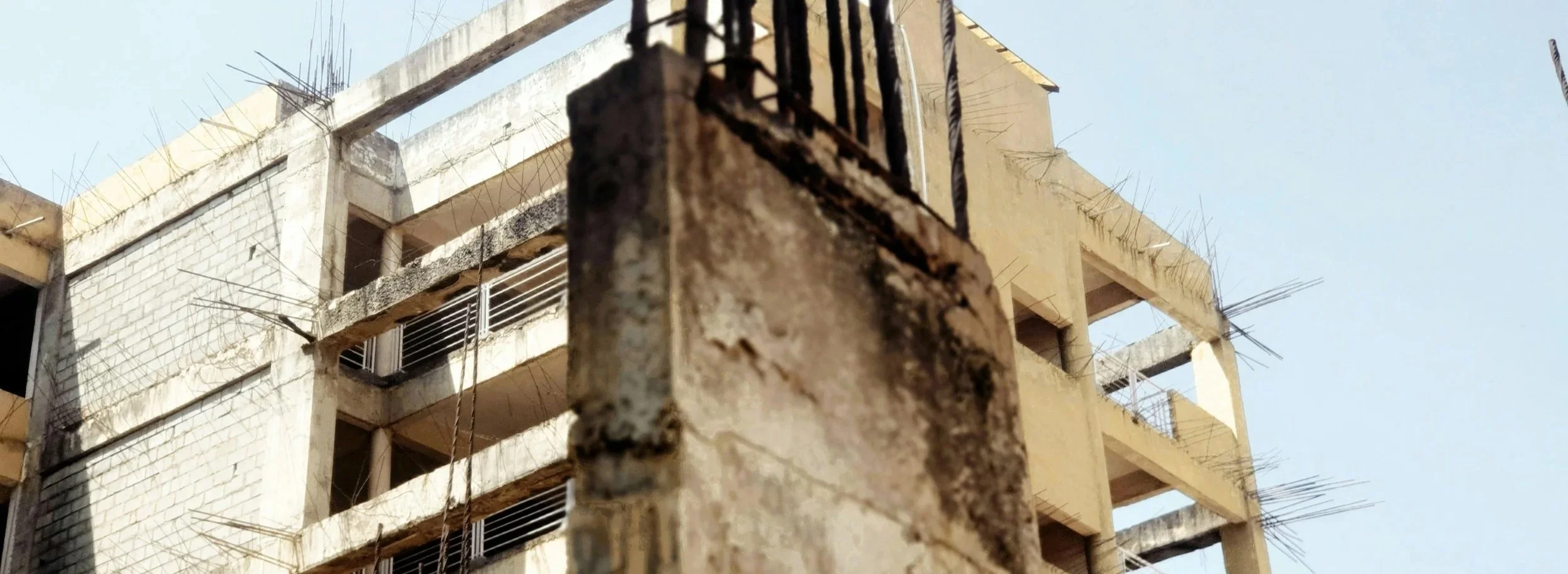
A mid-build shutdown leaves sites unfinished and timelines in limbo.
Construction insolvencies aren’t some distant risk you read about after hours. They’re happening right now, and at a scale that should make any tradie uneasy. Over the past two years, more than 2,600 construction companies across Australia have gone under. Construction alone makes up roughly a quarter of all business insolvencies nationwide, a brutal slice for one industry.
These collapses aren’t neat exits either. New South Wales alone saw more than 1,500 construction insolvencies in a single year, with Victoria and Queensland not far behind. Many of them happened mid-build, with crews already on site, materials already paid for, and hours already sunk. When things blow up at that stage, someone always cops the hit.
When the builder goes down, the hit isn’t shared
When a company enters administration or liquidation during a build, everything hits pause. Payments are frozen, contracts get reviewed, and legal costs start piling up. In that process, subbies are usually last in line, even when they’ve already delivered their part of the job.
Industry analysis points to fixed-price contracts signed before cost blowouts as a major trigger. Materials jumping sharply, labour getting more expensive, and margins thinning to nothing leave many builders without any financial buffer. When that buffer disappears, so does the cash.
“When a builder collapses, the concrete’s already poured — it’s the money that vanishes.”
Warning signs on site you ignore at your own risk
Most collapses don’t come out of nowhere. Sites start throwing off signals before the lights go out. Payments slipping weeks late. Schedules changing without clear reasons. Requests for upfront cash “to keep things moving”. Suppliers quietly asking if invoices are actually getting cleared.
None of these guarantee a collapse, but together they’re a smell you shouldn’t ignore. Even then, keeping your eyes open doesn’t always save you. Once the job shuts down, subbies are still exposed, tools packed up, hours done, and no clear path to getting paid.
Why this matters to every tradie
This isn’t a theoretical issue or one limited to massive developments. It happens on small jobs, mid-size builds and residential projects too. And when it does, the risk doesn’t disappear. It shifts straight onto the tradie who’s already put in the hours, the gear and the materials.
With insolvency levels where they are in construction, assuming “it won’t happen here” is no longer a strategy. It’s a gamble. And in the current market, it’s a bloody expensive one.
Because when a builder folds, the work doesn’t vanish. But the person left unpaid, burned and chasing losses is usually the tradie sweating it out on site.
Trending News






This is not just another project going sideways. This is one of the biggest builds in Australia now drowning in delays, blowouts and claims of straight up sabotage. Billions over budget. Years behind. And now, what came out during the CFMEU inquiry is painting a picture that sounds less like a construction site… and more like chaos.