
These three trades are paying serious money in Australia
Let’s be straight about it. Not all trades pay the same, and anyone on site already knows that. While being a tradie still beats plenty of desk jobs, the real money isn’t spread evenly. In some trades, you graft just as hard and still feel like you’re chasing your tail. In others, the grind actually turns into proper pay.
Here’s a top three where tradies are genuinely walking away with the fattest pay packets by year’s end.
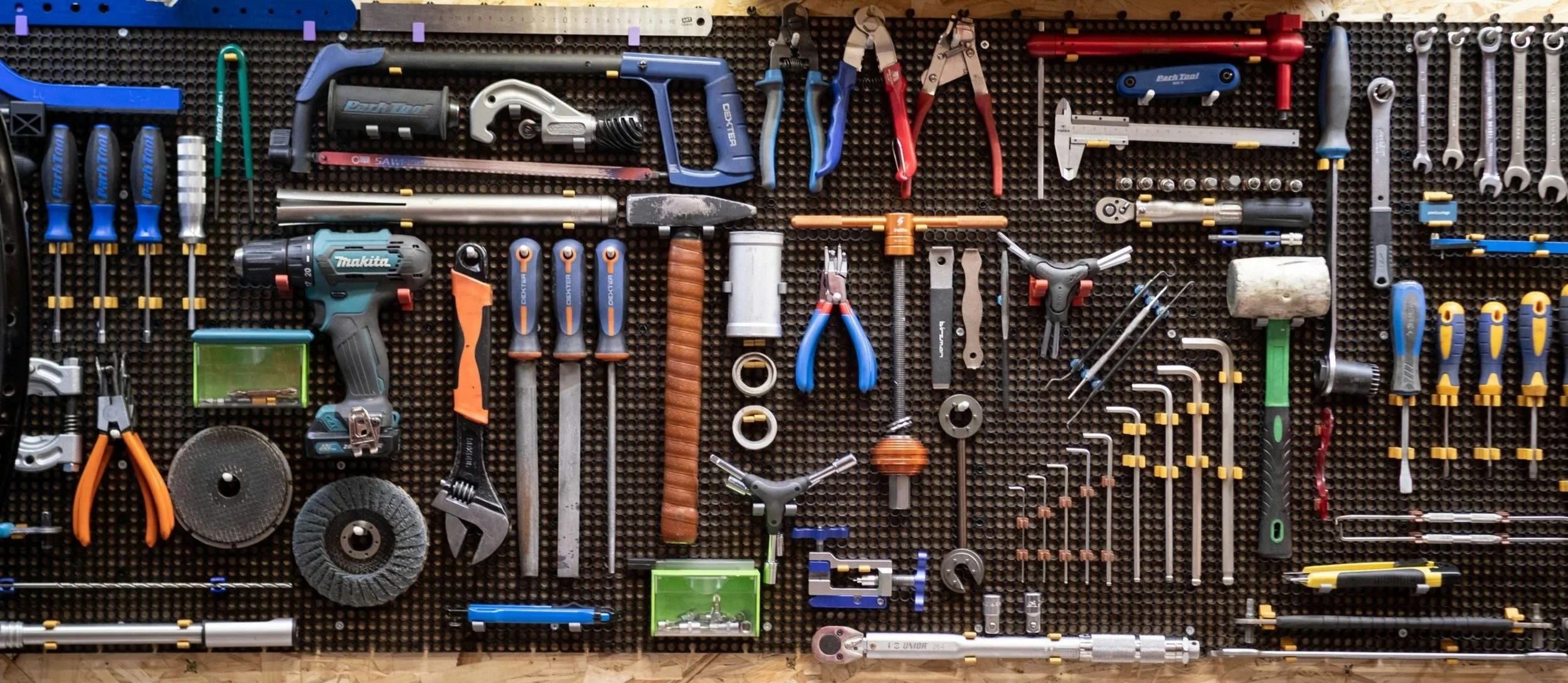
The cash isn’t spread evenly. It’s landing where skills are tight.
Over the past few years, wage data has made one thing clear: the gap between trades is growing. It’s not just about how much work is around, but what kind of work it is, where it’s happening, and how specialised you need to be to do it properly. While some trades are still fighting just to keep margins alive, others are settling comfortably into six-figure territory without blinking. Same boots, very different outcomes.
3. Sparkies: high floor, strong ceiling
If there’s one trade that refuses to fall off the pay ladder, it’s sparkies. Average earnings sit around $100,000 to $120,000 a year, and once you step into industrial, infrastructure or high-voltage work, that figure climbs fast.
What keeps sparkies strong isn’t just demand, it’s options. Residential slows, you slide into commercial. Commercial tightens, you jump industrial. Renewables, maintenance, shutdowns, there’s always another lane open. When the market gets shaky, good sparkies don’t panic. They move.
It’s not a soft trade. There’s plenty of thinking, plenty of responsibility, and mistakes aren’t cheap. But when it comes to money and stability, sparkies are still sitting very comfortably.
2. Plumbers: not flashy, but the cash is real
Plumbing doesn’t get much shine, but the bank balance usually does. Plenty of plumbers are pulling between $95,000 and $110,000 a year, and that number jumps quickly once you add gas work, commercial hydraulics or emergency call-outs.
The rule here is simple. When no one else can do the job, the rate goes up. Burst pipes don’t wait. Blocked drains don’t care what day it is. And when things go sideways, experienced plumbers get paid to fix it fast.
It’s not glamorous work. But financially, plumbers usually do very well, especially once they’ve built a solid name.
1. Boilermakers and welders: where the grind pays off
This one often flies under the radar, but the numbers don’t lie. Qualified boilermakers and welders, especially in mining and heavy industry, are regularly earning well north of $120,000 a year. With the right tickets, shutdown work or remote gigs, that figure can climb even higher.
It’s hard, physical, unforgiving work. Long hours. Heat. Noise. Zero room for mistakes. And that’s exactly why it pays what it does. Not everyone can do it, and fewer want to stick it out long term. Risk, skill and demand all collide here, and the pay reflects it.
“Hard work is everywhere. The money follows the trades no one can afford to lose.”
So where is the money really?
The takeaway is simple. The money isn’t spread evenly. It sits with trades that are hard to replace, technically demanding and critical when things go wrong. Electricians, plumbers and boilermakers don’t just have work, they’ve got leverage.
This isn’t a call to drop tools and switch trades tomorrow. It’s a reality check on where the market is actually rewarding skill. Hard work exists everywhere. The difference is who’s getting paid properly for it.
Trending News








This is not just another project going sideways. This is one of the biggest builds in Australia now drowning in delays, blowouts and claims of straight up sabotage. Billions over budget. Years behind. And now, what came out during the CFMEU inquiry is painting a picture that sounds less like a construction site… and more like chaos.